
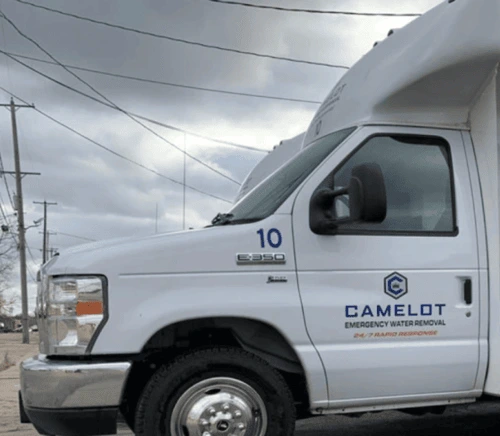

Emergency Water Damage Restoration in Lansing, MI
Flood Cleanup, Water Removal, and Mold Remediation in Lansing and across Ingham, Eaton, and Clinton Counties.
Burst pipes, sump pump failures, and basement flooding don’t wait for business hours. From homes near the State Capitol to neighborhoods like Old Town and REO Town, Camelot’s Lansing team answers 24/7 and arrives ready to stop the damage, extract standing water, and start drying right away. We’ve been restoring Michigan properties since 1993.

Michigan homes restored
33
Second-Generation, Family-Run Since 1993
4.9★
Google rating across locations
A+
Accredited Better Business Bureau
Restoration Services for Every Water Emergency
Certified crews for emergency water removal, sewage removal, structural drying, and mold remediation for homes and businesses across Mid-Michigan.


Restoration Certifications, Awards & Affiliations
Camelot Emergency Water Removal is committed to professional restoration standards. Our team follows industry best practices and maintains affiliations with organizations that support water damage restoration, structural drying, mold remediation, and property restoration services.



Why Water Damage in Lansing Can’t Wait
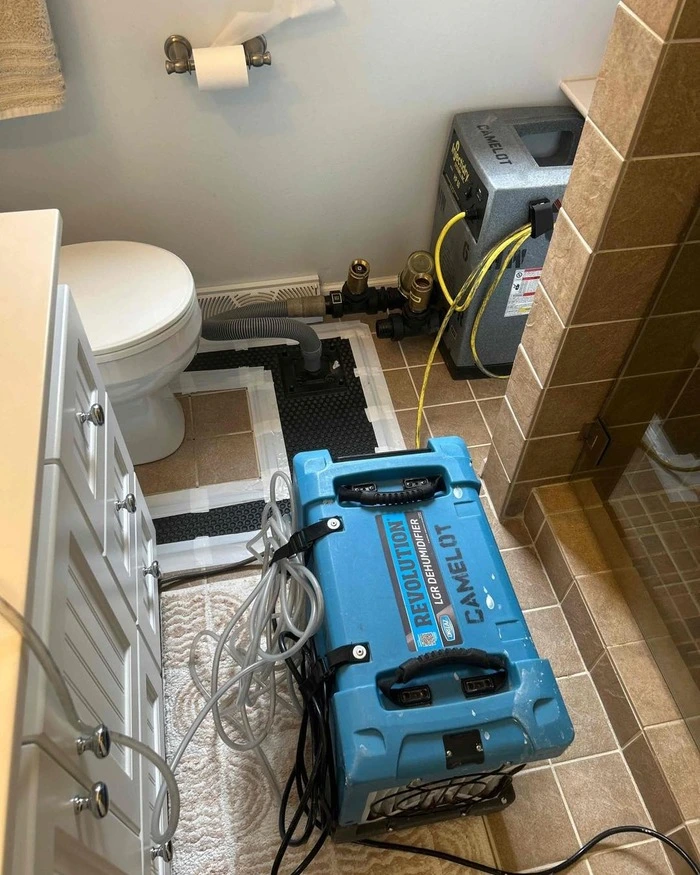
Standing water does more than soak carpet and drywall. In many Lansing homes, especially older houses with finished basements, moisture quickly seeps into flooring, framing, and insulation. If it isn’t dried out, mold can start growing within 24 to 48 hours.
Michigan’s freeze-thaw cycles make burst pipes more likely every winter, and heavy spring rain and snowmelt put basements across the Lansing area at risk. Older homes near downtown and in historic neighborhoods are especially prone to pipe leaks, foundation seepage, and moisture intrusion. Commercial buildings face roof leaks, HVAC failures, and plumbing problems too.
Waiting only raises repair costs and health risks. If you notice pooling water, musty odors, or visible damage, call our Lansing team right away.
Burst & Frozen Pipes
Michigan winters split supply lines and flood homes fast, often while no one is there.
Basement Flooding
Heavy rain, snowmelt, and groundwater seepage send water into finished basements.
Sump Pump Failures
Power outages and worn pumps leave basements unprotected during spring storms.
Roof Leaks & Ice Dams
Ice dams and wind-driven rain push water into attics, ceilings, and walls.
Sewage & Appliance Leaks
Sewer backups, water heater failures, and appliance leaks cause sudden damage indoors.
Four Offices, Staffed 24/7 for a One-Hour Response Time
Serving Kalamazoo, Grand Rapids, Lansing, Ann Arbor, Holland, Grand Haven, Muskegon, and 150+ communities across Michigan.
Meet Camelot’s Lansing Team

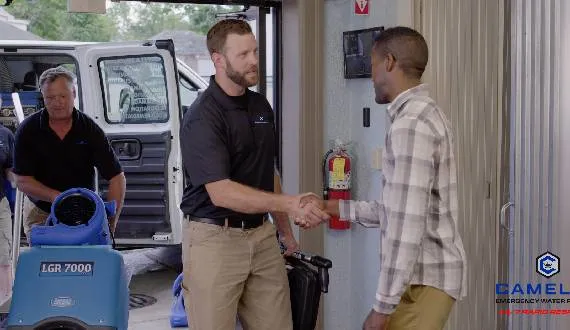
Your rapid-response crew

Local crews dispatched from our Lentz Court office

Typical arrival: about an hour
In the field
IICRC-certified mitigation on every job.

Since 1993
Restoring Michigan properties
24/7/365
Live answering and emergency dispatch
BBB A+ Rated
Better Business Bureau
What Lansing Customers Say
Real reviews from Michigan homeowners and businesses we’ve helped after burst pipes, basement floods, and sewage backups.
24/7 Emergency Service & Insurance Claim Help in Lansing
Whether it’s storm flooding, a plumbing failure, or a sewage backup, our Lansing team responds day or night to homes and businesses throughout Greater Lansing.
Insurance paperwork shouldn’t add to the stress. We work with many major insurance providers. We document the damage with photos and moisture readings, provide restoration reports and itemized estimates, talk with your adjuster, and can bill your insurer directly.
Lansing Water Damage FAQs
How quickly can you respond to a water damage emergency in Lansing?

We answer calls live 24/7. Our Lansing crew can often arrive within about an hour, depending on your location, to start water extraction, drying, and damage mitigation.
What are the most common causes of water damage in Lansing?
Frozen and burst pipes top the list every winter, followed by sump pump failures during the spring thaw. Older homes near downtown and in the historic neighborhoods see more foundation seepage. Sewer backups are common here too, since much of the city still has combined storm and sanitary lines. The rest is the usual: water heaters, washing machines, roof leaks, and ice dams.
Which parts of Lansing flood?
The low ground along the rivers. The Grand and the Red Cedar meet near downtown, and the streets closest to both go under first. In February 2018, the mayor declared a state of emergency and urged people in the worst-hit areas to evacuate. Homes set back from the bank still took on basement water. Away from the rivers, most Lansing basement flooding comes from groundwater and backed-up storm drains instead.
Why does my Lansing basement back up when it rains hard?
A lot of Lansing still runs on combined sewers, where stormwater and sewage share a single pipe. Heavy rain fills that pipe, and the overflow has to go somewhere. The city has been separating those lines since the 1990s and has until 2033 to finish, so some neighborhoods are done, and others are still waiting. If yours backs up, don’t wait it out. Sewage is a health hazard, and the cleanup is the same either way: extract, disinfect, dry.
Do you handle commercial water damage in Lansing?
Yes. We provide fast-response water removal, drying, and restoration for offices, retail stores, restaurants, schools, churches, healthcare facilities, multifamily buildings, and other commercial properties, and we work to keep your downtime to a minimum.
