
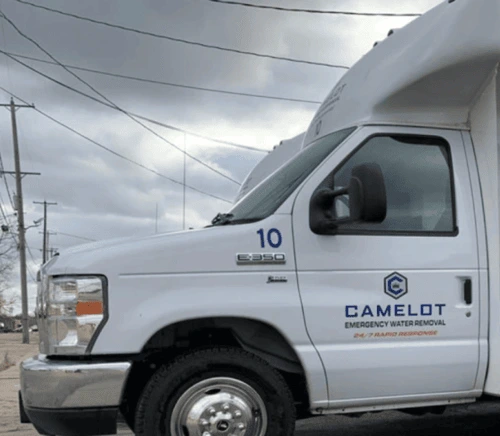

Emergency Structural Drying Services in Michigan
When water soaks into your walls, floors, or ceilings, the damage continues long after the surface looks dry. Camelot has been drying out Michigan homes and businesses since 1993 with air movers, dehumidifiers, and moisture meters, and we’ll answer every emergency call, day or night.

4.9-star Google rating from 900+ reviews across our four offices
Free estimates, and we can bill your insurance company directly
Wet Walls, Floors, or Ceilings? Call Us Now
Mold can start growing within 24 to 48 hours after water damage, and it grows on wet drywall, flooring, and insulation. Call Camelot now so the drying begins before the mold does.
Structural Drying & Dehumidification in Grand Rapids, Kalamazoo, Lansing, and Ann Arbor
Structural drying removes the moisture left in a building’s walls, floors, ceilings, and insulation after water damage, using air movers, dehumidifiers, and moisture meters. Camelot provides it for homes and businesses in Grand Rapids, Kalamazoo, Lansing, and Ann Arbor, day or night.
Whether the water came from a burst pipe, a roof leak, an appliance failure, or a storm, the job is the same. Camelot finds where the moisture went and dries it until the materials are dry.
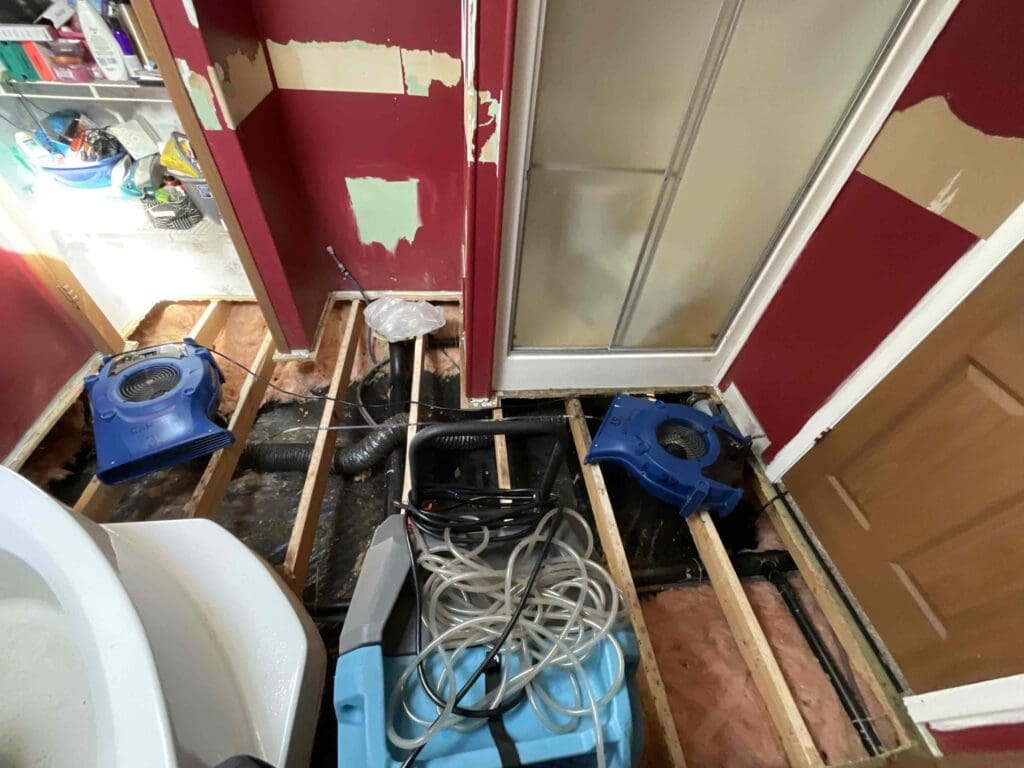
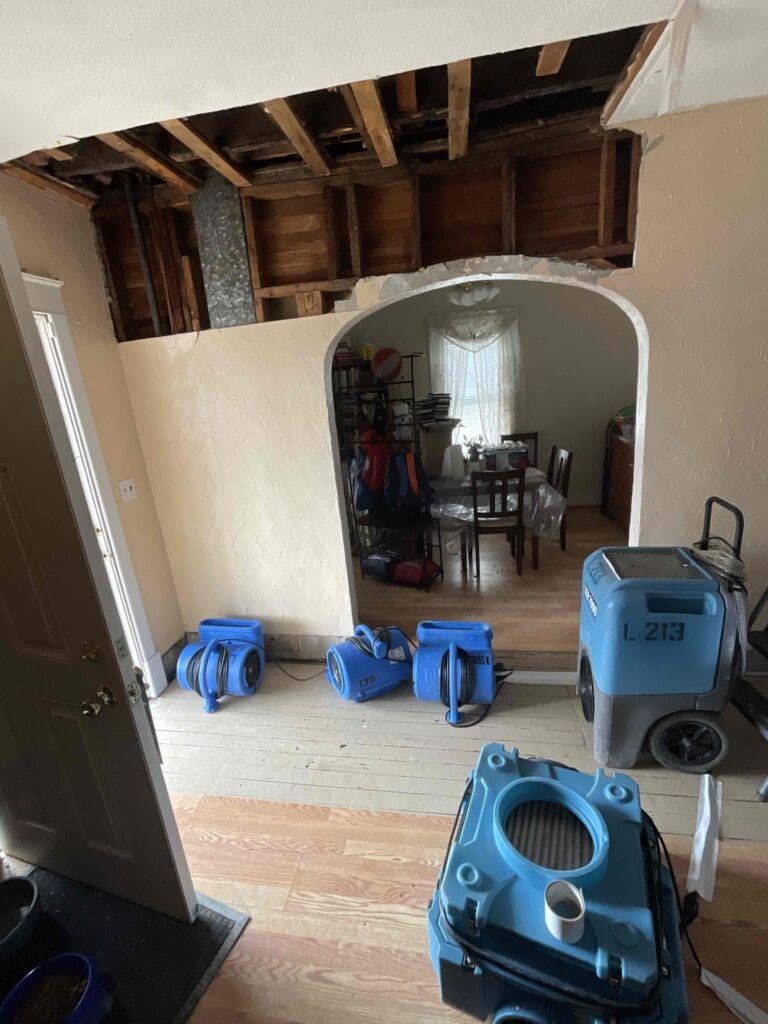
We Leave Your Walls, Floors, and Ceilings Dry After Any Water Emergency
Once the standing water is out, the search begins for the moisture you can’t see. Moisture meters and thermal imaging show where water traveled behind walls, under flooring, and inside structural materials, and commercial air movers and dehumidifiers dry every area they find.
Moisture meters track the drying from the first reading to the last, and the crew keeps checking until the materials are dry. We’ll also give you photos and moisture readings of every affected area, ready for your insurance claim.
Why Choose Camelot for Emergency Structural Drying?
Camelot is a family-run Michigan restoration company with offices in Grand Rapids, Kalamazoo, Lansing, and Ann Arbor. On every drying job, IICRC-trained crews follow industry drying standards, and you and your insurance adjuster hear from Camelot from the first call to the final walkthrough.
24/7 live answering, so you always talk to a real person
Often at your door within 60 minutes for emergencies
Free estimates
We work with your insurance company and can bill them directly
Moisture readings and photos document every affected area for your claim
Residential and commercial Structural Drying

Michigan homes restored
33
Second-generation, family-run since 1993
4.9★
Google rating across locations
A+
Accredited Better Business Bureau
What Camelot Customers Say
Real reviews from Michigan property owners who called Camelot to dry out after water damage.

Our Structural Drying Process for Every Water Emergency
A Camelot team member answers every call, day or night. These five steps show how the crew finds the moisture, dries it, and confirms with readings that the job is done.
1
Call Us 24/7
A live team member takes your call, asks a few questions, and sends a crew.
2
Inspect & Document
We check which materials are wet and how far the moisture has spread, then take moisture readings and photos for your insurance claim.
3
Remove Standing Water
Professional extraction equipment removes any standing water before the drying begins.
4
Dry & Dehumidify
Air movers push air across wet materials and commercial dehumidifiers pull the moisture out of the air.
5
Monitor & Final Check
We use moisture meters to track the drying and check the readings every day until moisture levels are back to acceptable levels. A final walkthrough confirms the job is done.
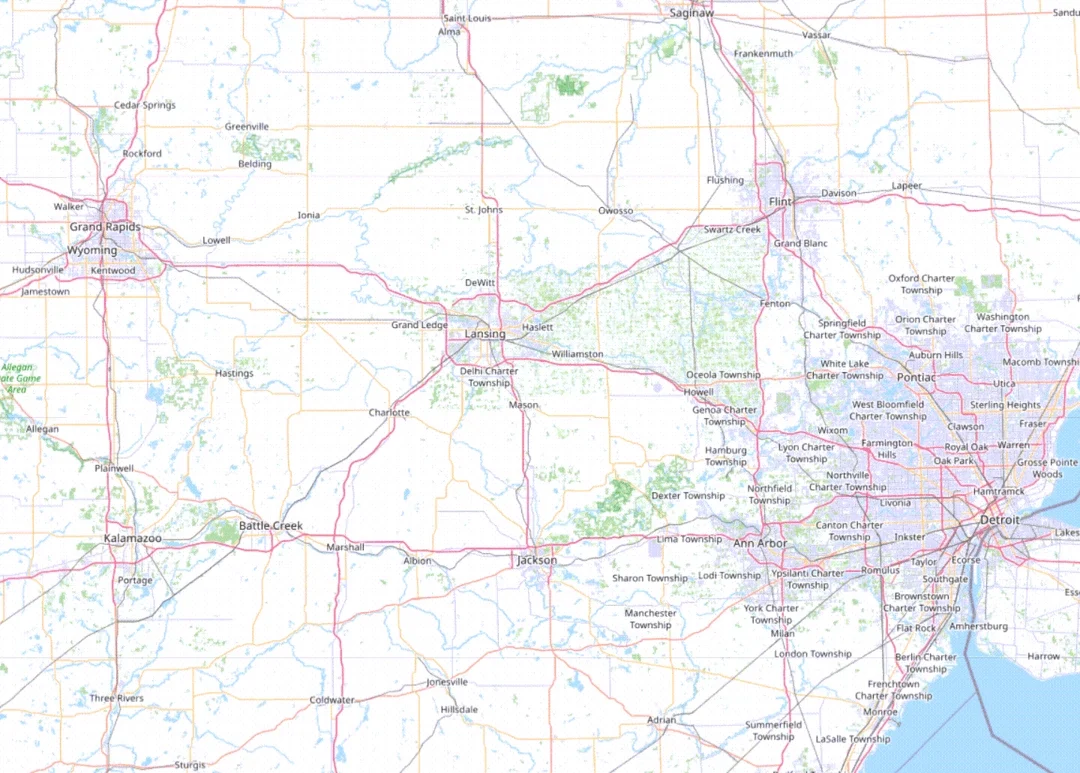
Four Offices, Staffed 24/7 for a One-Hour Response Time
Serving Kalamazoo, Grand Rapids, Lansing, Ann Arbor, Holland, Grand Haven, Muskegon, and 150+ communities across Southwest Michigan.
Restoration Services for Every Water Emergency
Structural drying is one stage of a larger job. Camelot also handles the water removal that comes before it, the mold remediation that follows when moisture has already taken hold, and sewage removal when a backup is involved.


Structural Drying FAQs
How quickly can Camelot respond to a water emergency?

Our phones are answered live 24 hours a day, 7 days a week. For emergencies, we can often be on-site within about an hour, depending on your location and conditions, and start extraction right away.
Which parts of my home can you dry?
Camelot dries attics, ceilings, drywall and wall cavities, insulation, framing, flooring, and subfloors. Moisture meters and thermal imaging show which areas are wet, and the crew dries them in place where possible. Drywall or insulation that’s too badly damaged may need to be removed so the area behind it can dry.
Will you work with my insurance company?
Yes. We document the damage with photos and moisture readings, talk with your adjuster during the job, and can bill your insurance company directly.
Can water damage lead to mold?
Yes. Mold can start growing within 24 to 48 hours when moisture stays trapped in building materials. Quick water removal and thorough drying with air movers and dehumidifiers greatly reduce that risk, and we apply antimicrobial treatment where needed.
How long does structural drying take?
It depends on how much water there was, which materials got wet, and the conditions inside the building. Most jobs take several days. The crew checks moisture readings every day and removes the equipment once the materials read dry.
Why do you run dehumidifiers along with fans?
Air movers pull moisture out of wet materials and into the air. Dehumidifiers remove it from the air so it doesn’t soak back into the walls and floors. Running both is what dries the structure.
How do you find hidden water behind walls or under floors?
We use moisture meters, thermal imaging cameras, and probes to find water in wall cavities, subfloors, and ceilings. Those areas become part of the drying plan.
