

Dishwasher Overflow Cleanup Services in Michigan
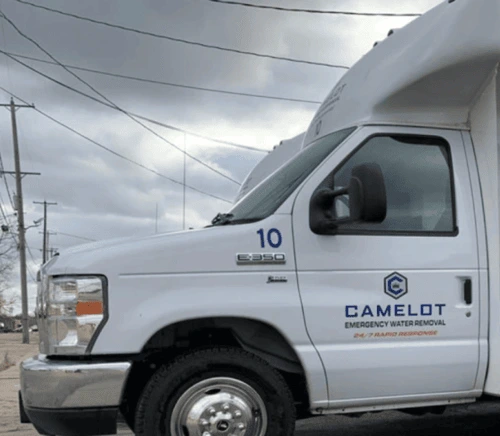
When a dishwasher overflow floods your home or business, you need someone who answers the phone any time and gets to your door before the damage spreads. Camelot has been removing water and drying out Michigan properties since 1993.

4.9-star Google rating from 900+ reviews across our four offices
Free estimates, and we can bill your insurance company directly
Dishwasher Overflowing? Call Us Now
Water spreads fast into flooring, drywall, insulation, cabinets, and framing. The sooner we start extraction, the less there is to repair.
Dishwasher Overflow Cleanup in Grand Rapids, Kalamazoo, Lansing & Ann Arbor
A dishwasher overflow sends water across the kitchen floor and into places you can’t reach, including under the cabinets, beneath the dishwasher itself, and into the flooring around it. Camelot provides emergency cleanup for homes and businesses after a dishwasher overflows or leaks, whether the water came from a clogged drain, a worn door seal, or a loose hose.
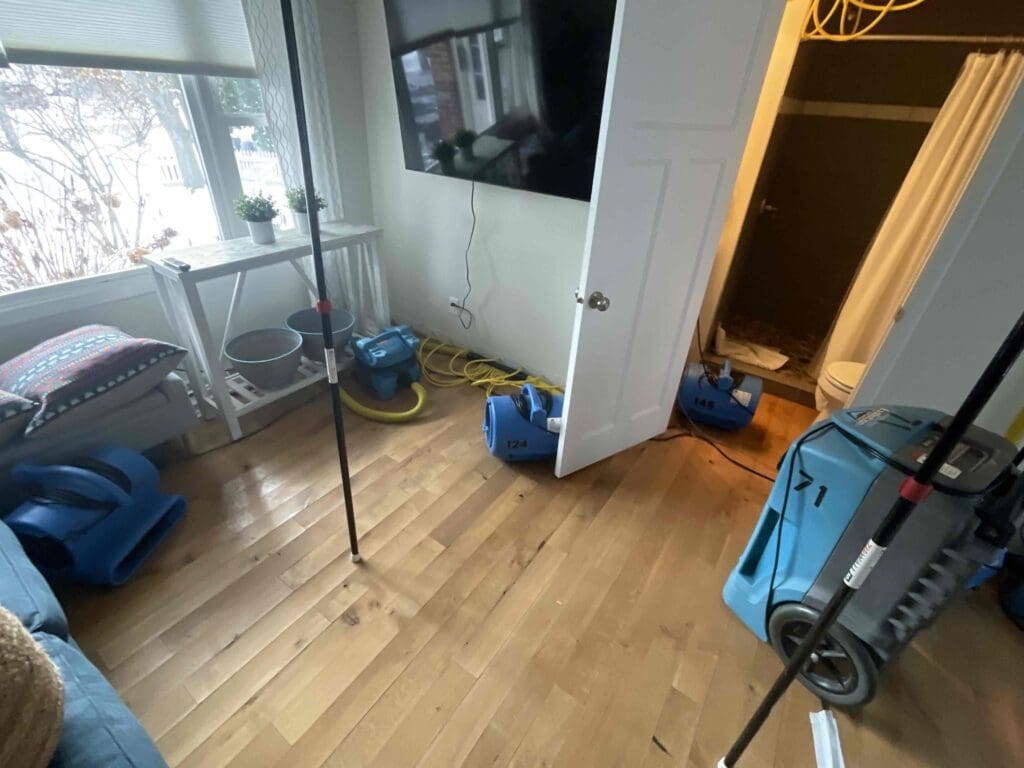
Our crews extract standing water from your kitchen, find moisture that has soaked into the cabinet bases and flooring, and dry it all with commercial drying equipment to help keep mold, rot, and warping from starting.

Dishwasher Overflow Cleanup for Every Situation
Not every dishwasher overflow floods the kitchen. A clogged drain, a worn door seal, a loose supply hose, or a slow leak underneath the machine can all send water into the cabinets and flooring, where it causes serious damage if nobody notices.
Camelot handles the whole job, from the first extraction to the final drying. Our technicians track the water behind walls and under floors with moisture meters and thermal imaging, and they dry the affected areas with commercial air movers and dehumidifiers. Fast mitigation limits damage to flooring, cabinets, drywall, and ceilings.
Why Choose Camelot for Dishwasher Overflow Cleanup?
Camelot is a local Michigan restoration company with offices in Grand Rapids, Lansing, Kalamazoo, and Ann Arbor. Our IICRC-trained crews follow industry drying standards and keep you and your insurance adjuster updated from the first call to the final walkthrough.
24/7 live answering, so you always talk to a real person
Often at your door within 60 minutes for emergencies
Free estimates
We work with your insurance company and can bill them directly
Damage documented with photos and moisture readings for your claim
Residential and commercial water removal

Michigan homes restored
33
Second-generation, family-run since 1993
4.9★
Google rating across locations
A+
Accredited Better Business Bureau
What Camelot Customers Say
Real reviews from Michigan homeowners and businesses we’ve helped dry out after burst pipes, basement floods, and appliance leaks.

Our Dishwasher Overflow Cleanup Process
A member of our team answers your call anytime, day or night. These five steps take your kitchen from standing water to dry cabinets and floors.
1
Call Us 24/7
A live team member takes your call, asks a few questions, and sends a crew.
2
Inspect & Document
We find the water source, check how far the moisture has spread, and photograph everything for your insurance claim.
3
Extract Standing Water
Truck-mounted and portable extractors remove water from floors, carpet, and basements.
4
Dry & Dehumidify
Air movers and dehumidifiers dry the structure, and we check moisture levels every day until the readings are back to normal.
5
Clean & Restore
We clean and sanitize the affected areas, apply antimicrobial treatment where needed, and help you get back to your property’s pre-loss condition.
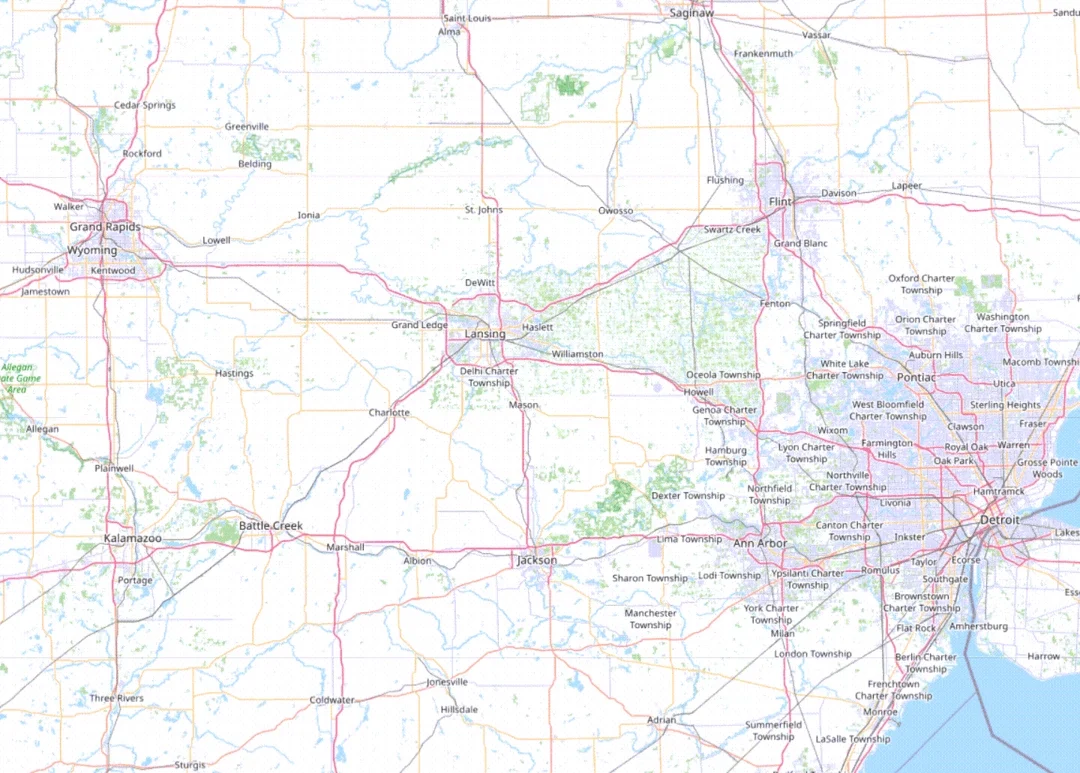
Four Offices, Staffed 24/7 for a One-Hour Response Time
Serving Kalamazoo, Grand Rapids, Lansing, Ann Arbor, Holland, Grand Haven, Muskegon, and 150+ communities across Southwest Michigan.
Restoration Services for Every Water Emergency
Certified crews for emergency water removal, sewage removal, structural drying, and mold remediation for homes and businesses across Southwest Michigan.


Dishwasher Overflow Cleanup FAQs
How quickly can Camelot respond to a water emergency?

Our phones are answered live 24 hours a day, 7 days a week. For emergencies, we can often be on-site within about an hour, depending on your location and conditions, and start extraction right away.
What should I do first when my dishwasher overflows?
Turn off the dishwasher’s power and close the water supply valve under the sink, then call Camelot. If the water won’t stop, shut off your home’s main valve and call a plumber too. We remove the water and dry your cabinets and flooring. We don’t repair dishwashers or drains, but drying shouldn’t wait for that repair.
Will you work with my insurance company?
Yes. We document the damage with photos and moisture readings, talk with your adjuster during the job, and can bill your insurance company directly.
Does homeowners insurance cover dishwasher overflow damage?
It depends on your policy and the cause. Most standard homeowners policies cover sudden, accidental water damage like an overflow, but exclude damage from a slow leak that went on for weeks or a repair that was put off. Check your policy for specifics. Camelot documents the damage with photos and moisture readings for your claim, works with your adjuster, and can bill your insurance company directly.
Can water damage lead to mold?
Yes. Mold can start growing within 24 to 48 hours when moisture stays trapped in building materials. Quick water removal and thorough drying with air movers and dehumidifiers greatly reduce that risk, and we apply antimicrobial treatment where needed.
Can water under my kitchen cabinets dry out on its own?
Rarely. Dishwasher water runs under the toe kick and into the subfloor beneath the cabinets, where air can’t reach it. Left there, it warps flooring and cabinet bases, and mold can start growing within 24 to 48 hours. Camelot measures moisture under and behind the cabinets, then dries those areas with air movers and dehumidifiers, checking readings until the materials test dry.
How do you find hidden water behind walls or under floors?
We use moisture meters, thermal imaging cameras, and probes to find water in wall cavities, subfloors, and ceilings. Those areas become part of the drying plan.
