How Heat and Humidity Lead to Mold and Mildew Growth
Summer is a prime time for mold and mildew to thrive, especially in your bathroom. The combination of high humidity and closed windows to keep the heat out creates a stagnant, moisture-filled environment — the perfect breeding ground for these unwelcome invaders.
Bathrooms are naturally more susceptible due to their constant exposure to water, and when the air becomes saturated with moisture during hot weather, mold and mildew can flourish on your walls, tiles, and grout. As temperatures rise, the trapped moisture doesn’t get the chance to evaporate, allowing spores to grow quickly.
While mildew might be easy to clean, mold can pose serious health risks and require professional removal. If you’ve noticed spots of mold or mildew around your bathroom during the summer, it’s important to act fast before the problem spreads. If you’re unsure about how to deal with mold and mildew or if the problem seems to persist, contacting mold remediation experts can help protect your home from further damage.
Bathrooms are one of the most common locations for mold growth because moisture can remain trapped behind walls, around tubs, and inside cabinetry. If you’ve recently experienced leaks or flooding, learn how to prevent mold after water damage before the problem spreads.
Understanding the Difference Between Mold and Mildew
Mold and mildew are both common issues in damp environments like bathrooms, but they have distinct characteristics. Recognizing these differences can help you determine the right approach for tackling each problem.
Mold
-
Texture: Mold can appear fuzzy or slimy, often with a distinct texture.
-
Color: It can range from dark green to black or even red.
-
Growth: Mold spreads throughout surfaces, often penetrating deeper materials like wood, drywall, and fabric.
-
Odor: It typically produces a musty smell that can be noticeable once the infestation is severe.
Mildew
-
Texture: Mildew tends to be flat and can appear powdery or fluffy.
-
Color: It usually starts as grayish-white and may turn brown over time.
-
Growth: Mildew grows only on the surface of materials and doesn’t penetrate deep into the structure.
-
Odor: The smell of mildew is often foul or musty, though not as pungent as that of mold.
Understanding these key differences helps you assess the situation in your bathroom and decide whether you need a simple cleaning solution for mildew or a more extensive remediation plan for mold.
How to Get Rid of Mildew
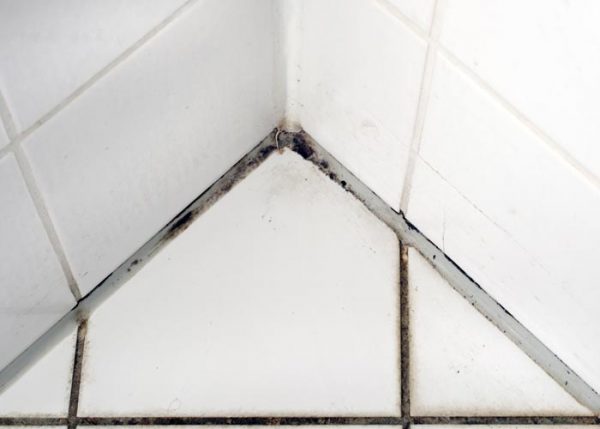
Mildew tends to look like grayish-white specks on your shower tile and grout. Yet, it can also turn brown over time. If you have mildew, you can heave a sigh of relief. Compared to mold, mildew is much less insidious. While mold spreads everywhere, mildew stays on the surface and is easier to clean.
We recommend making a cleaning solution that’s one cup bleach per one gallon of water. You’ll then need to scrub the solution on your walls to remove mildew.
Sometimes it makes more sense to hire professionals than to clean mildew yourself. For example, a lakeside cottage may have a lot of mildew after being vacant for several months. Each situation is different. If you suspect you may have more mildew than what you can handle, give us a call.
Grout is porous, which means it has tiny holes that absorb dirt and stains. This is why we not only clean, but seal grout so it’s less vulnerable to staining. Over time, you’ll appreciate not having to clean your bathroom tile and grout as often.
How to Get Rid of Mold
Mold in your bathroom is more than just an unsightly problem; it’s often a sign of trapped moisture that can cause long-term damage to your home. While bleach and water may seem like an easy solution, they often aren’t sufficient to fully remove mold. This is because mold thrives in moist environments and will continue to grow unless the underlying source of moisture is addressed.
Before attempting to clean mold, it’s important to identify where it’s coming from. Look for leaks in pipes, damaged seals around your bathtub or shower, or poor ventilation that’s leading to excess moisture buildup. Once you’ve identified the root cause, take steps to fix it. Without eliminating the moisture source, mold is likely to return.
For small areas, you can try scrubbing the affected areas with a mixture of bleach and water. However, keep in mind that mold can spread underneath tiles or inside walls, where it might be harder to spot. This is why calling a professional is often the best option, as experts can assess the situation and perform thorough mold remediation.
Mold often develops because moisture remains hidden behind walls, under flooring, or around plumbing fixtures. If you’re noticing musty odors, discoloration, or recurring mold growth, review these common signs of a mold problem to determine whether professional remediation may be needed.
DIY vs. Professional Mold and Mildew Removal: What You Need to Know
While some homeowners may attempt to clean mold and mildew themselves, it’s important to recognize when professional intervention is needed. Here’s a breakdown:
-
DIY cleaning: If the area affected by mold or mildew is small and accessible, you might be able to tackle the problem yourself with household cleaning products.
-
Professional help: If mold covers large areas, is located in hidden places (behind walls or tiles), or you have health concerns, professional mold remediation experts are the safest choice. They have the tools and expertise to address the root cause and ensure the mold doesn’t return.
Hiring a professional ensures that the problem is dealt with thoroughly and safely, especially when mold growth is extensive or persistent.
The Importance of Proper Bathroom Ventilation to Prevent Mold and Mildew
Good ventilation is one of the most effective ways to prevent mold and mildew from taking hold in your bathroom. Proper airflow helps to reduce moisture levels, which are the primary cause of mold and mildew growth. Here’s what you can do to improve ventilation:
-
Use exhaust fans: Always run the exhaust fan during and after showers to help circulate the air.
-
Open windows: When possible, open windows to allow fresh air to flow through and reduce humidity.
-
Fix leaks: Check for leaks in plumbing or around fixtures that may contribute to excess moisture.
By maintaining good ventilation, you can significantly reduce the likelihood of mold and mildew growing in your bathroom.
Ventilation helps reduce humidity, but it cannot solve active water intrusion issues. Leaking pipes, damaged caulking, roof leaks, and plumbing overflows should be repaired as quickly as possible to prevent future mold growth.
Professional Mold Removal: When to Call the Experts
If you’ve noticed mold in areas like bathroom cabinets, behind walls, or on difficult-to-reach surfaces, it’s time to call in a professional mold remediation service. A mold specialist can locate hidden mold, remove it safely, and prevent it from coming back. The best way to handle a mold problem is to rely on experienced professionals who understand the necessary steps for proper mold removal and ensure the moisture problem is corrected to avoid future infestations.
By choosing professional help, you’ll gain peace of mind knowing that your bathroom is fully cleaned and your home is protected from the risks of mold damage.
Learn more about common causes of residential water damage.
The best way to remove mold in your bathroom is to give us a call. We follow standards set by the Institute of Inspection, Cleaning and Restoration Certification. That way, you can have peace of mind that your mold remediation is being handled the proper way. Call us today to learn more about our .
Mold Remediation Services Throughout Michigan
Bathroom mold is a common problem throughout Michigan, especially in homes with poor ventilation, aging plumbing, or previous water damage. Mold can spread quickly when moisture remains trapped in walls, flooring, cabinetry, and other building materials.
Camelot Emergency Water Removal provides professional mold remediation and water damage restoration services throughout Kalamazoo, Lansing, Grand Rapids, and Ann Arbor. Our team can identify the source of moisture, remove mold safely, and help prevent future growth.
Need Professional Mold Removal Services?
If mold continues to return despite cleaning, or if the affected area is larger than expected, professional remediation may be the safest solution. Proper mold removal involves identifying the moisture source, containing contamination, removing affected materials when necessary, and thoroughly drying the area.
Camelot Emergency Water Removal provides professional mold remediation services throughout Michigan. Call (833) 252-0488 or contact us online to request an inspection or estimate.
Bathroom Mold FAQ
What causes mold in a bathroom?
Bathrooms often develop mold because of excess humidity, poor ventilation, plumbing leaks, and moisture that remains trapped on surfaces.
Can I remove bathroom mold myself?
Small surface mold problems may be manageable with proper cleaning methods, but larger infestations or recurring mold often require professional remediation.
How can I prevent mold from returning?
Improve ventilation, repair leaks, reduce indoor humidity, and address water damage quickly to help prevent mold from returning.
When should I call a mold remediation company?
You should consider professional remediation when mold covers a large area, keeps returning, or may be hidden behind walls, flooring, or cabinets.