Cleaning & Restoration Solutions
You can’t predict or stop a natural disaster. Fortunately, most home flooding is caused by leaky plumbing and appliances, which is in your power to prevent.
Our water damage contractors can help restore your home when water damage happens, but it’s better to avoid a flooded house in the first place whenever possible. Continue reading to learn what you can do to keep your home safe and dry this year.
How can I protect my house from flooding?
- Determine your area’s risk of flooding
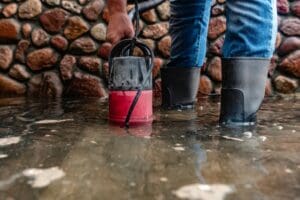
- Install a sump pump in your basement or crawlspace
- Consider a flood insurance policy
- Prevent frozen pipes
Determine Your Area’s Risk of Flooding
All 50 states have experienced flooding within the last 5 years, according to the Federal Emergency Management Agency (FEMA).
While you can always check with FEMA’s website to gauge your area’s flood risk, we also recommend asking neighbors who have lived in the area for a while. Getting an accurate depiction of your area’s flood risk can help you prepare for potential water damage in the long term.
Understanding your flood risk can help you prepare before severe weather arrives. Homeowners who live near rivers, low-lying areas, or neighborhoods with poor drainage may face a higher risk of water intrusion during heavy rain events.
If you’ve experienced flooding before, our guide on what to do after your home has flooded explains the steps to take after water enters your home.
Consider Flood Insurance Coverage
Did you know your homeowners insurance probably doesn’t cover flood damage? According to the Insurance Information Institute, only 12% of American homeowners polled in 2016 had flood insurance.
If you don’t have a flood policy, perhaps it’s time you considered getting one. Even if you live in a low- or moderate-risk area for flooding, some homeowners argue that it’s better to be safe than sorry.
If you decide to get flood insurance, you’ll want to carefully consider different policies before you commit. Some policies only cover the physical structure of your building while others only cover the personal contents inside. Some policies cover both, but are more expensive. Only you will be able to make the right decision for your budget and the level of protection you want for your house.
Prevent Frozen Pipes
In the late fall and winter frozen pipes are more likely to burst, spraying water all over your floors, furniture, and belongings. If there will be periods of time when you’re out of your house during cold weather, it’s important that you take measures to prevent frozen pipes during the upcoming winter.
Even if you’re just going to be gone for a week, it’s important that you take steps to protect your plumbing so you can focus on enjoying your vacation. Set your thermostat no lower than 55 degrees Fahrenheit while you’re gone. That way, you won’t ever have to come home to significant flooding and water damage from a burst pipe.
Inspect Appliances and Plumbing Regularly
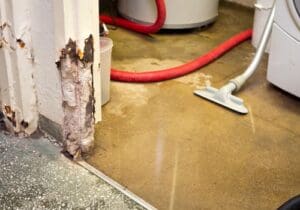
Many residential flooding incidents are caused by appliance failures, leaking water heaters, damaged supply lines, and aging plumbing systems. Regular inspections can help identify small problems before they become major water damage events.
Our guide on common causes of residential water damage explains some of the most frequent sources of household flooding.
Common Flooding Risks for Michigan Homeowners
Michigan homeowners commonly experience flooding caused by heavy rainfall, spring snowmelt, frozen pipes, sump pump failures, appliance leaks, and severe storms. Even a small amount of water can damage flooring, drywall, insulation, furniture, and personal belongings.
Homeowners in Kalamazoo, Lansing, Grand Rapids, and Ann Arbor can reduce their risk by maintaining plumbing systems, preparing for severe weather, and addressing leaks quickly.
Need Help After a Flood?
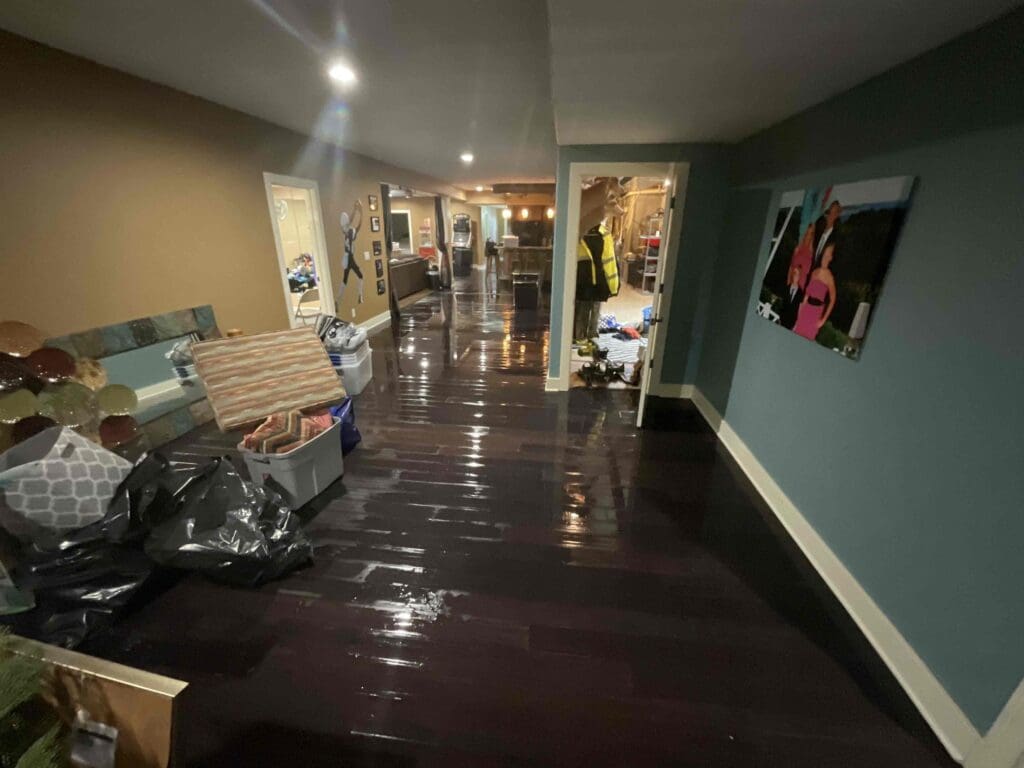
Even with proper preparation, flooding can still occur. When water damage affects your home, fast action can help reduce structural damage and minimize the risk of mold growth.
Camelot Emergency Water Removal provides emergency water extraction, structural drying, flood cleanup, and restoration services throughout Michigan. We proudly serve homeowners in Kalamazoo, Lansing, Grand Rapids, and Ann Arbor.
Call Camelot Emergency Water Removal today at (833) 252-0488, or contact us online. We are available 24/7 for emergency water damage restoration services.
Flood Prevention FAQ
What is the best way to protect a home from flooding?
Installing a sump pump, maintaining plumbing systems, preventing frozen pipes, and understanding your flood risk are among the best ways to reduce flooding risks.
Does homeowners insurance cover flood damage?
Most standard homeowners insurance policies do not cover flood damage. Separate flood insurance may be required depending on your location and risk level.
Can frozen pipes cause flooding?
Yes. Frozen pipes can burst and release large amounts of water inside a home, causing significant property damage.
What should I do if my home floods?
Ensure the property is safe, stop the water source if possible, document the damage, contact your insurance company, and begin water removal as quickly as possible.