Clogs, leaks, and damage within HVAC discharge lines are common issues, especially in older systems or systems that have not received routine maintenance. While your HVAC system helps keep your property comfortable, a leaking discharge line can lead to water damage, moisture problems, and mold growth if left unaddressed.
Even a small HVAC discharge line leak can create hidden moisture behind walls, ceilings, and flooring. Fast cleanup and restoration help prevent additional damage and costly repairs.
Camelot Emergency Water Removal is a family-owned company providing professional water damage restoration services throughout Michigan. We proudly serve homeowners and businesses in Ann Arbor, Grand Rapids, Lansing, and Kalamazoo. Our IICRC-certified technicians are trained to identify moisture issues, remove water, dry affected materials, and help restore your property.
Call (833) 252-0488 any time or contact us online to request service.
Why Professional Restoration for HVAC Discharge Line Leaks Is Important
A damaged HVAC discharge line can create problems that extend well beyond the HVAC system itself. Excess moisture can spread through building materials and create conditions for additional damage.
- Water damage to walls, ceilings, flooring, and insulation
- Mold and mildew growth caused by excess moisture
- Poor indoor air quality and moisture-related health concerns
- Additional repair and restoration expenses if damage spreads
- Hidden moisture behind walls and under flooring
Our HVAC Discharge Line Leak Restoration Process
1) Moisture Inspection
We inspect the affected areas and determine the extent of water intrusion caused by the HVAC discharge line leak.
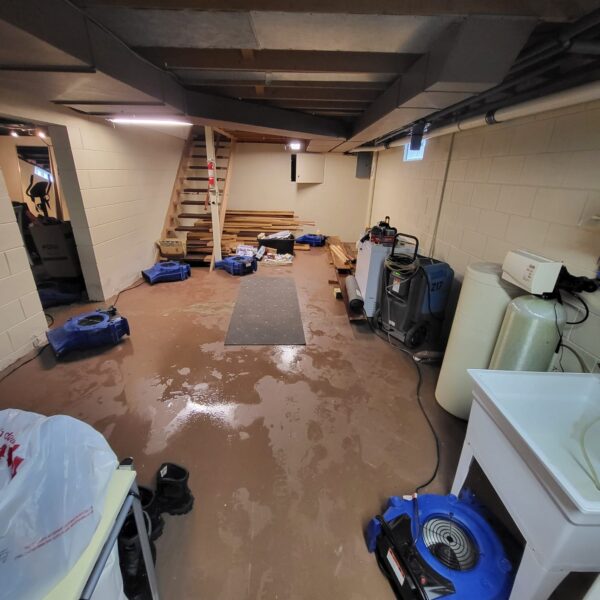
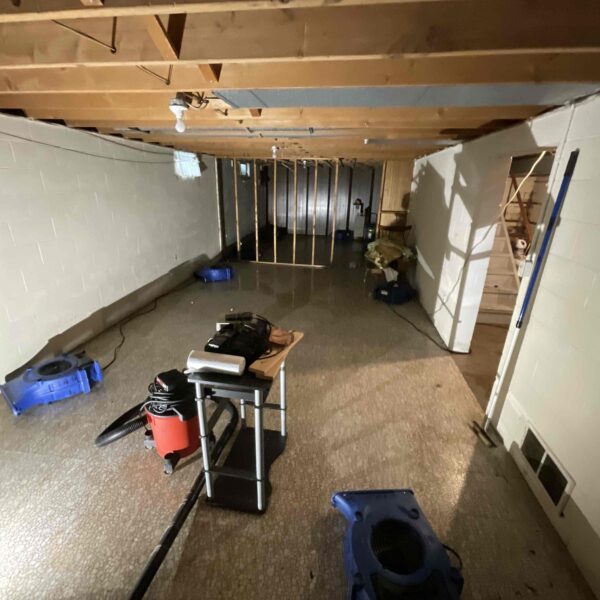
2) Water Removal & Extraction
Standing water and excess moisture are removed using professional extraction equipment.
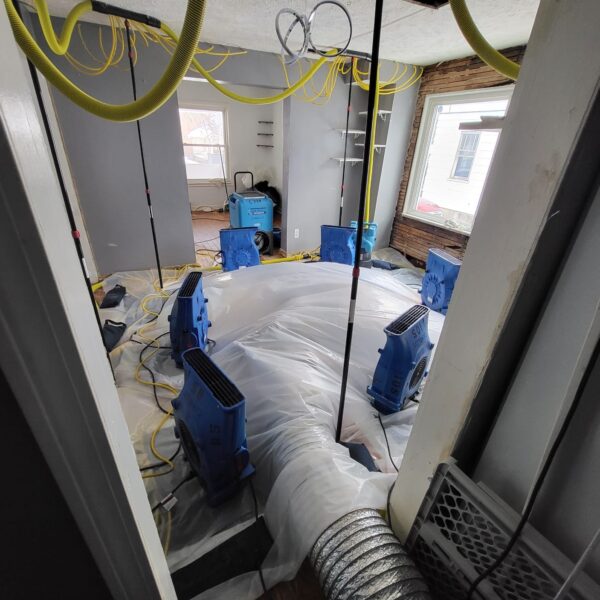
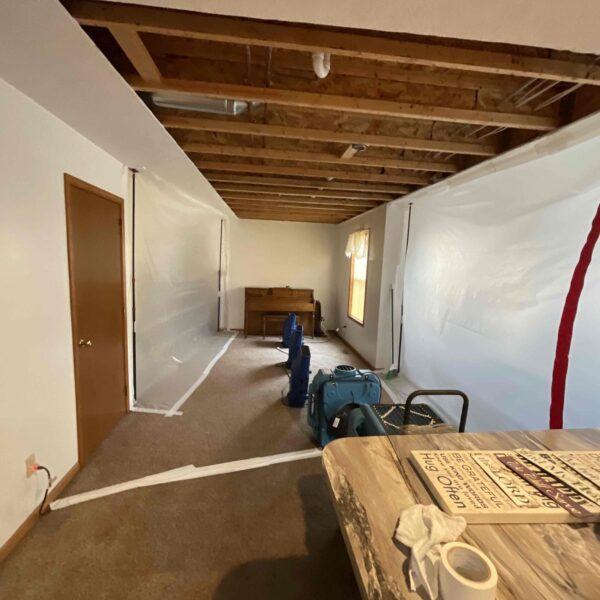
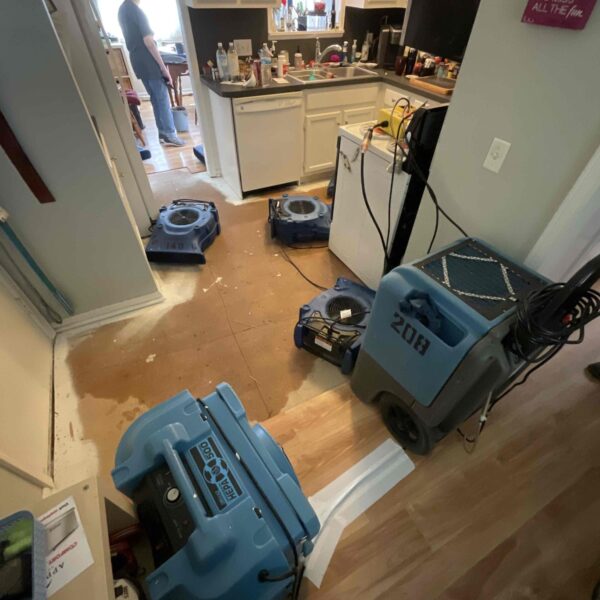
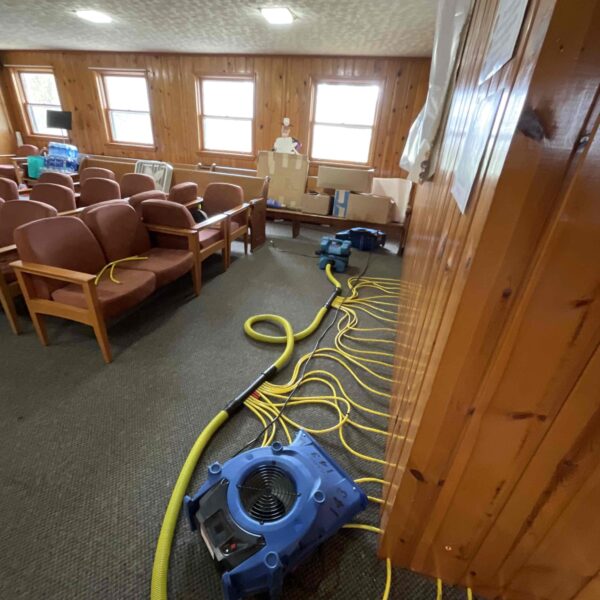
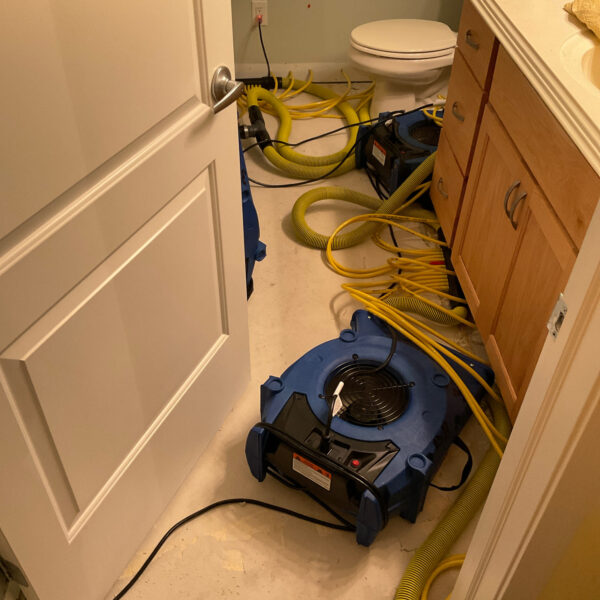
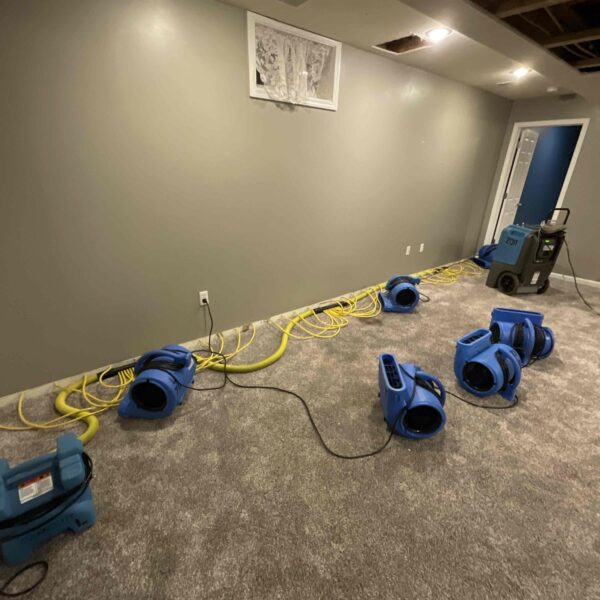
3) Structural Drying
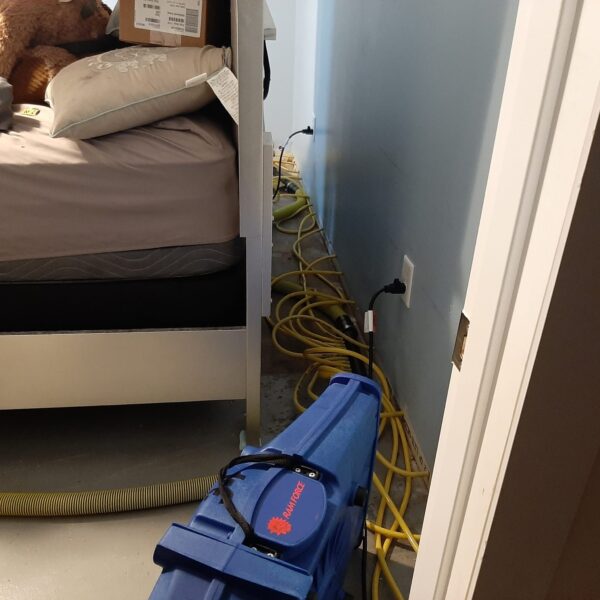
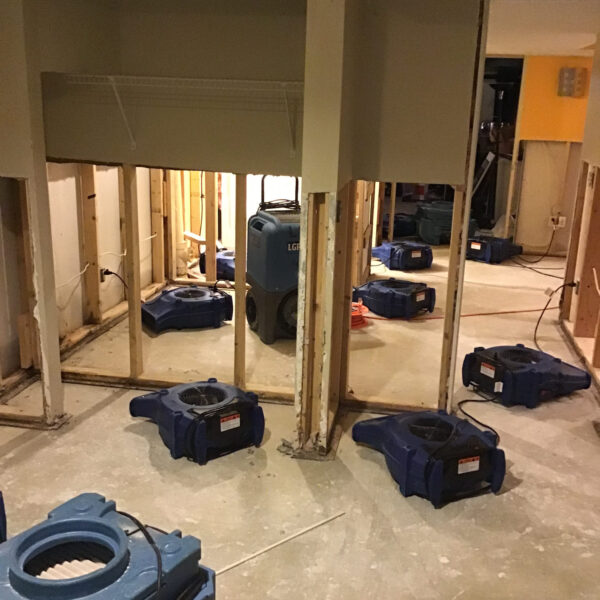
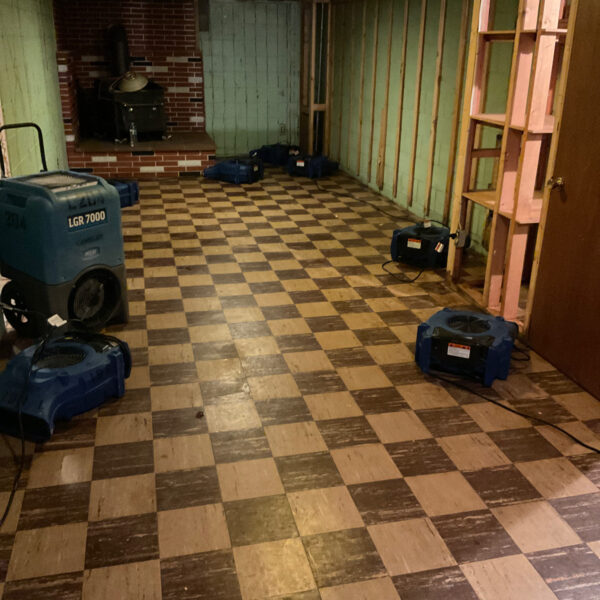
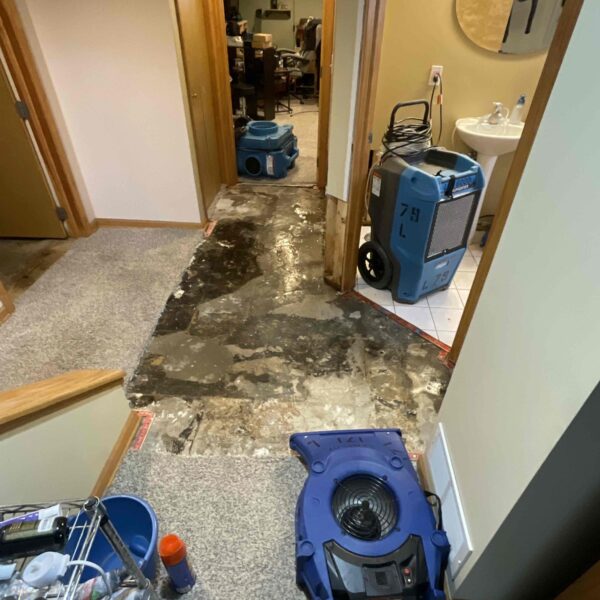
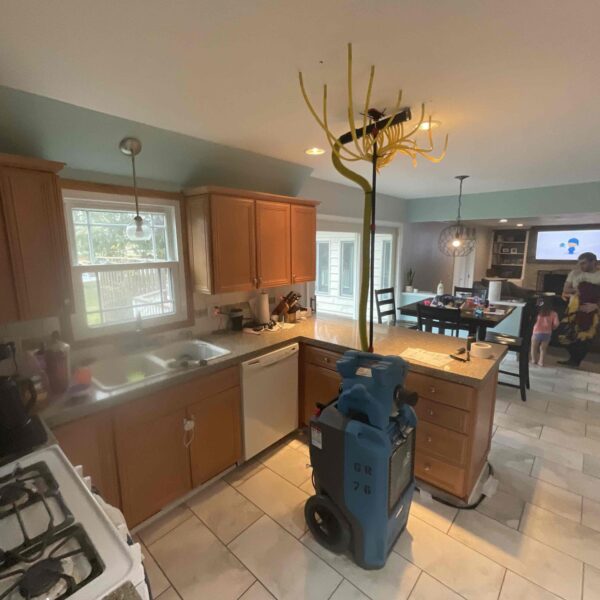
We perform structural drying to help eliminate hidden moisture and reduce the risk of additional damage.
4) Cleaning & Sanitization
Affected surfaces are cleaned and sanitized as part of the restoration process.
5) Mold Prevention
Fast drying and moisture control help reduce the risk of mold growth. If mold is discovered, we also provide mold remediation services.
Common Signs of an HVAC Discharge Line Leak
- Water pooling near HVAC equipment
- Water stains on ceilings or walls
- Musty odors
- Visible mold growth
- Excess humidity indoors
- Wet drywall, insulation, or flooring
- Frequent HVAC system shutdowns
Trust Camelot Emergency Water Removal for HVAC Leak Cleanup
You can rely on Camelot Emergency Water Removal, an A+ BBB-accredited company with decades of experience handling water damage restoration throughout Michigan. Our team understands how HVAC discharge line leaks affect homes and businesses and can help restore affected areas quickly and efficiently.
In addition to HVAC discharge line leak cleanup, we also provide appliance leak cleanup, plumbing overflow cleanup, water extraction services, emergency water removal, and mold remediation.
HVAC Discharge Line Leak FAQ
Can an HVAC discharge line leak cause water damage?
Yes. A leaking HVAC discharge line can cause water damage to ceilings, walls, insulation, flooring, and other building materials.
Can HVAC discharge line leaks cause mold growth?
Yes. Excess moisture from an HVAC leak can create conditions for mold growth if not properly dried and restored.
How quickly should cleanup begin after an HVAC leak?
Cleanup should begin as soon as possible to reduce water damage, mold growth, and long-term repair costs.
Does Camelot Emergency Water Removal provide emergency HVAC leak restoration?
Yes. Camelot Emergency Water Removal provides emergency response, water removal, structural drying, and restoration services throughout Michigan.
Do HVAC discharge line leaks always require professional restoration?
Not every leak requires extensive restoration, but professional inspection can help identify hidden moisture and prevent more serious damage from developing.