Your Trusted Mold Remediation Experts Since 1993
Even a small plumbing leak can create the perfect environment for mold growth. Moisture trapped behind walls, beneath flooring, inside cabinets, or around plumbing fixtures can allow mold to develop within 24 to 48 hours.
If left untreated, mold growth from a plumbing leak can damage drywall, insulation, flooring, wood framing, and indoor air quality. The longer the moisture remains, the more extensive and costly remediation may become.
Camelot Emergency Water Removal provides professional mold remediation services following plumbing leaks throughout Michigan. Our team identifies the moisture source, removes mold contamination, dries affected materials, and helps prevent future mold growth.
We proudly serve homeowners and businesses in Ann Arbor, Grand Rapids, Lansing, Kalamazoo, and surrounding Michigan communities.
Why Mold Remediation Is Important After a Plumbing Leak
Many property owners focus on repairing the plumbing leak itself but overlook the moisture left behind. Unfortunately, hidden moisture can continue causing damage long after the leak has stopped.
Protects Indoor Air Quality
Mold spores can circulate through indoor spaces and may contribute to allergy symptoms, respiratory irritation, and unpleasant odors.
Prevents Structural Damage
Mold and moisture can weaken drywall, insulation, subfloors, wood framing, and other building materials over time.
Stops Mold from Spreading
Addressing mold early can help prevent contamination from spreading into adjacent rooms and hidden structural cavities.
Helps Avoid Costly Repairs
Early mold remediation often reduces the amount of demolition and restoration required later.

Common Plumbing Leaks That Lead to Mold Growth
Mold can develop from many types of plumbing failures, including:
- Leaking water supply lines
- Burst pipes
- Slow pipe leaks behind walls
- Leaky faucets and fixtures
- Toilet leaks
- Kitchen sink leaks
- Bathroom sink leaks
- Shower and tub leaks
- Water heater leaks
- Drain line leaks
Many plumbing leaks remain hidden for weeks or months, allowing mold growth to spread before visible signs appear.
Signs Mold May Be Growing After a Plumbing Leak
- Persistent musty odors
- Visible mold growth
- Water stains on walls or ceilings
- Warped drywall or flooring
- Bubbling paint or peeling wallpaper
- Recurring moisture issues
- Allergy or respiratory symptoms indoors
- Discoloration around plumbing fixtures
If you notice any of these warning signs, professional remediation may be necessary to address hidden contamination.
Our Mold Remediation Process After Plumbing Leaks
1) Inspection & Moisture Assessment
We inspect affected areas and identify active or previous moisture sources contributing to mold growth.
2) Moisture Control
Before remediation can be completed successfully, the plumbing issue must be repaired and moisture sources controlled.
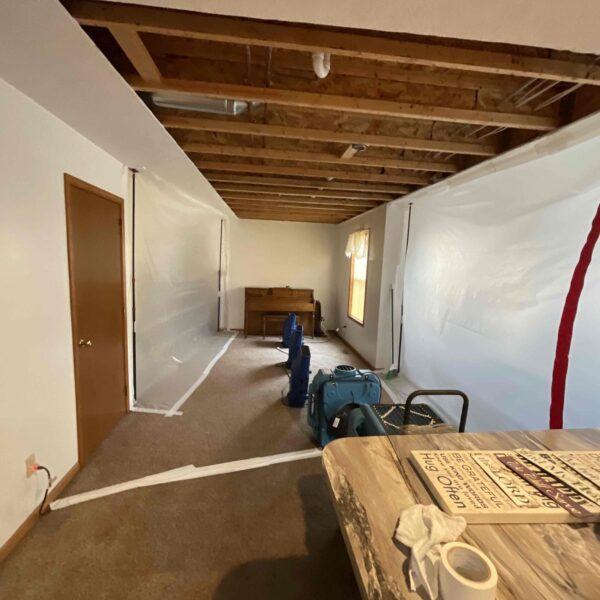
3) Mold Removal & Cleanup
Our technicians remove mold contamination and affected materials when necessary.
4) Mold Decontamination
We perform professional mold decontamination procedures to help reduce contamination.
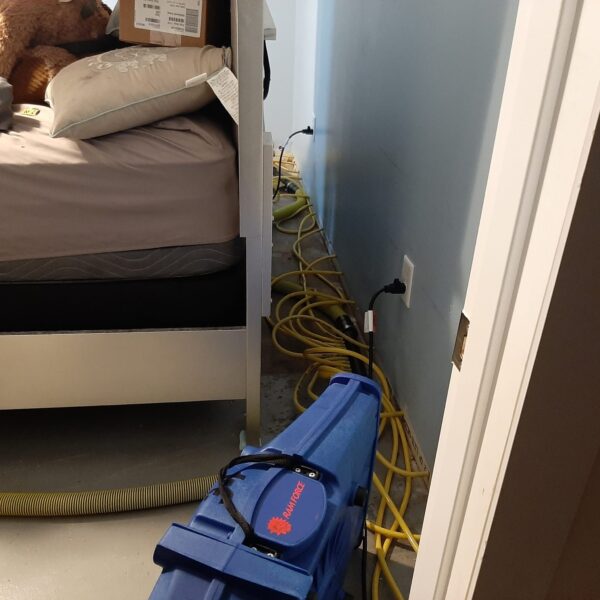
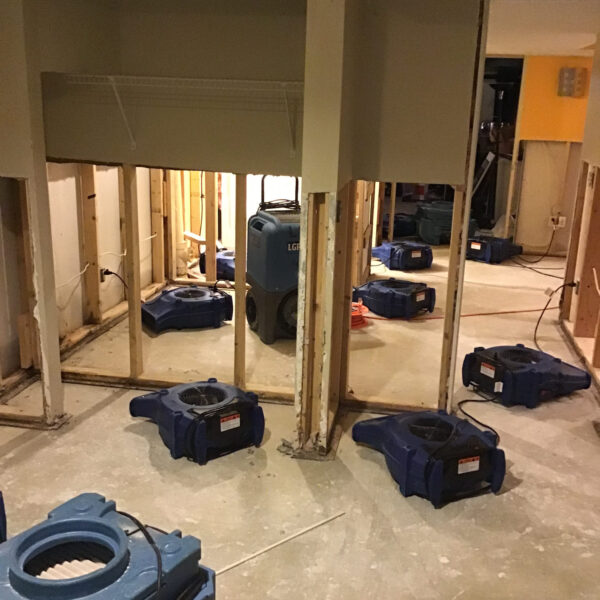
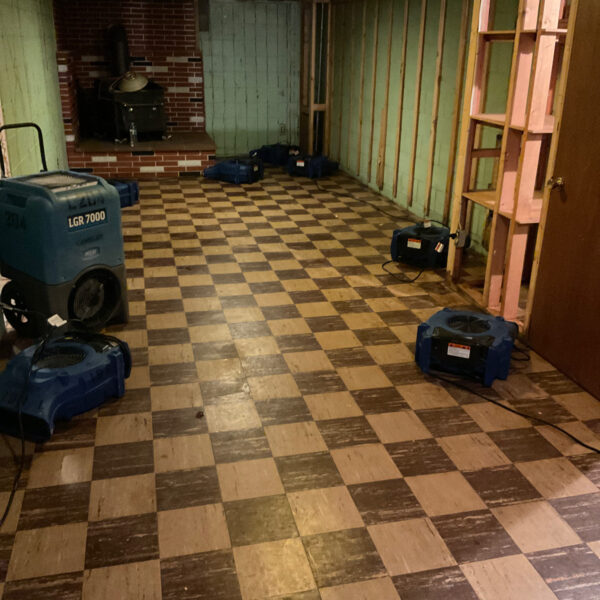
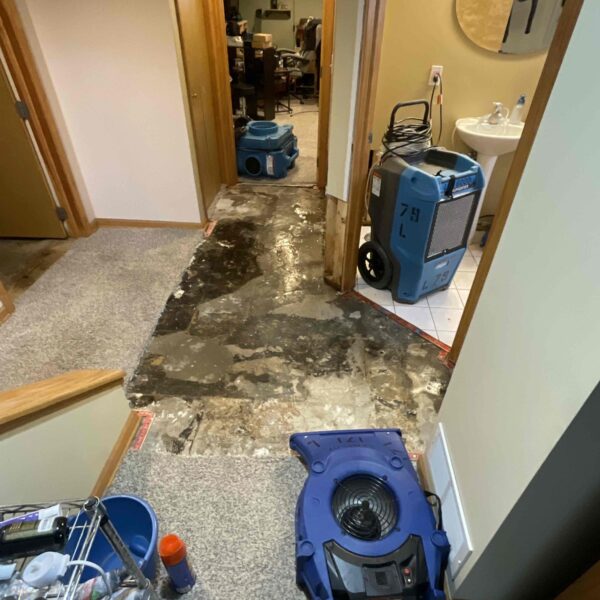
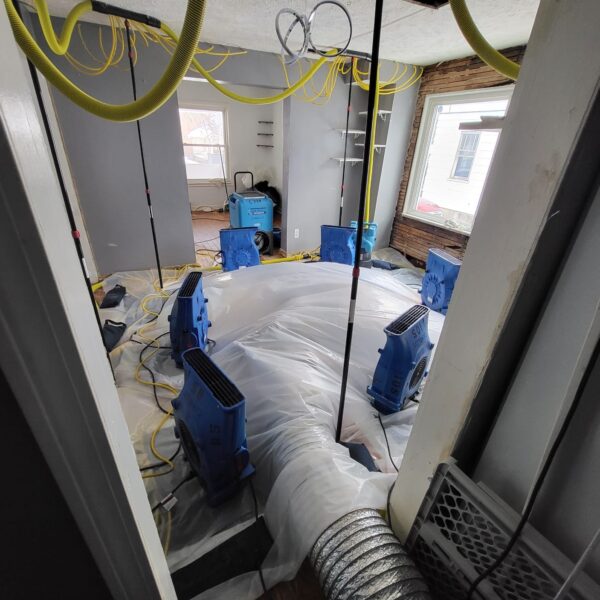
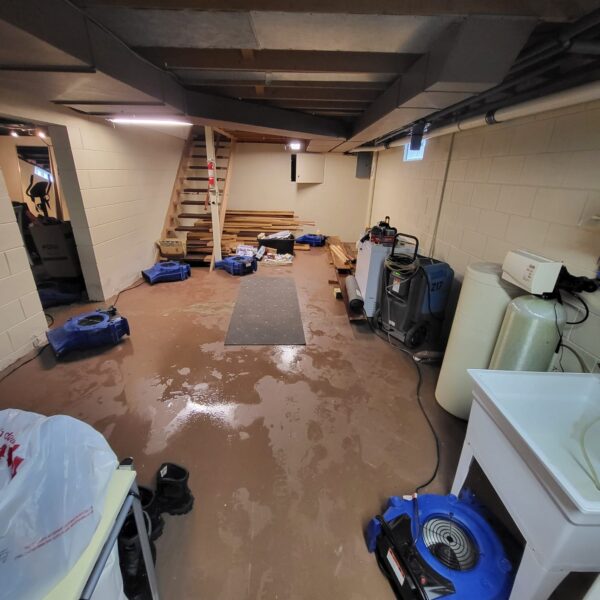
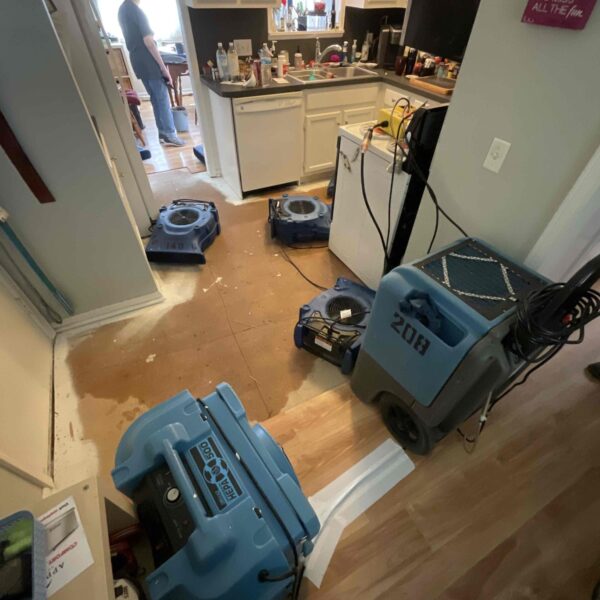
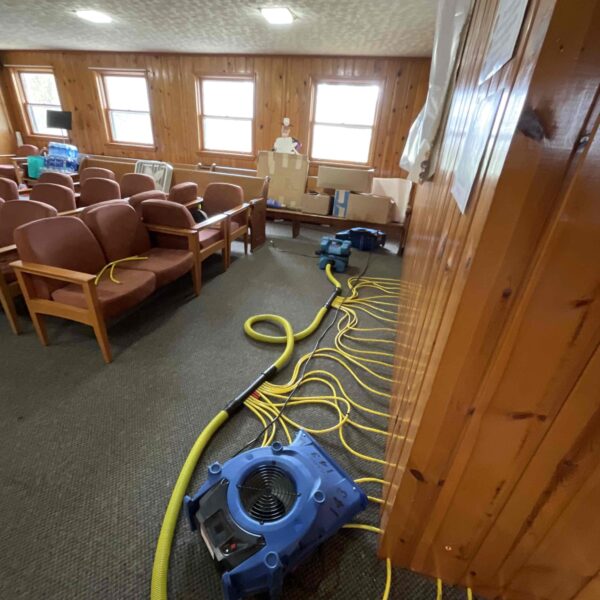
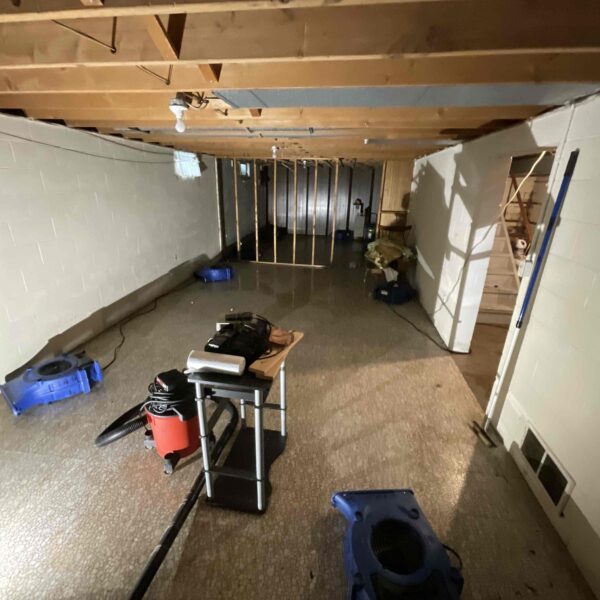
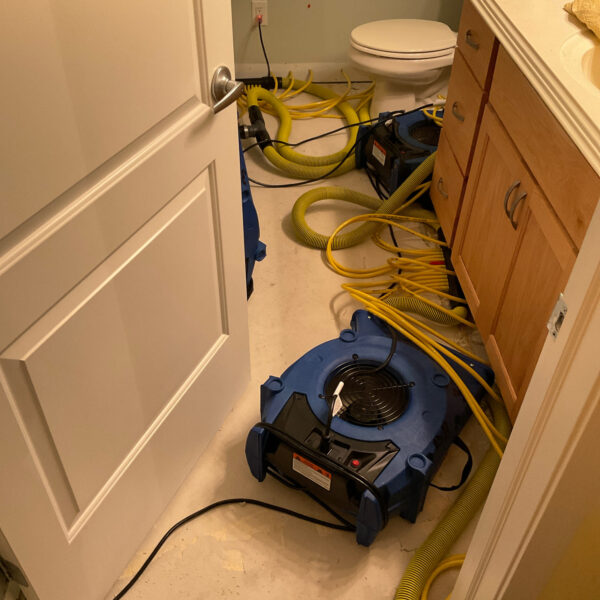
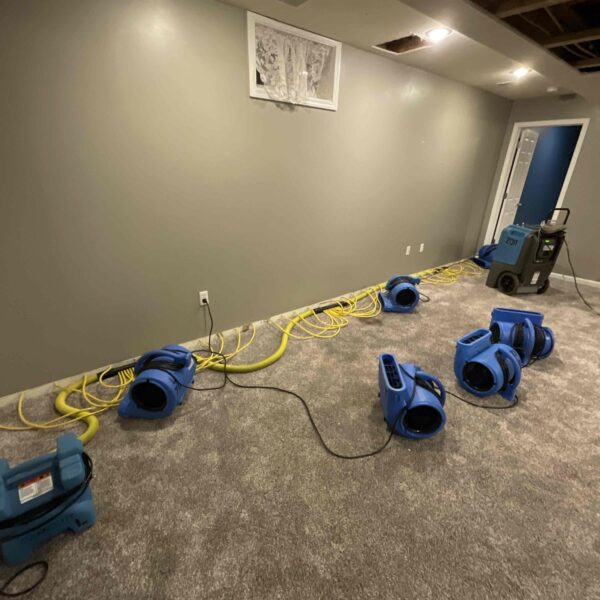
5) Structural Drying
Our team provides structural drying services to eliminate trapped moisture and help prevent future mold growth.
6) Restoration Support
After remediation is complete, restoration work can begin on damaged walls, ceilings, flooring, and other materials.
Related Mold & Water Damage Services
Camelot Emergency Water Removal also provides mold remediation, structural mold remediation, water removal, emergency water removal, structural drying, plumbing overflow cleanup, and water damage restoration from pipe breaks.
Why Choose Camelot Emergency Water Removal?
- Serving Michigan since 1993
- IICRC-certified technicians
- 24/7 emergency response
- Family-owned company
- Advanced moisture detection equipment
- Residential and commercial services
- Fully insured and licensed provider
- Free, no-obligation estimates
Mold Remediation After Plumbing Leak FAQ
How quickly can mold grow after a plumbing leak?
Mold can begin developing within 24 to 48 hours when moisture remains present after a plumbing leak.
Can a small plumbing leak cause mold?
Yes. Even slow leaks can create enough moisture to support mold growth behind walls, beneath flooring, and around plumbing fixtures.
Will mold return after remediation?
Mold can return if the plumbing issue or moisture source is not properly corrected. Professional remediation includes moisture control to help reduce recurrence.
Do I need mold remediation if the leak has already been repaired?
If mold growth has already occurred, remediation may still be necessary even after the plumbing repair is complete.
Does Camelot Emergency Water Removal provide mold remediation after plumbing leaks throughout Michigan?
Yes. Camelot Emergency Water Removal provides mold remediation, drying, moisture control, and restoration services throughout Michigan.
Trust Camelot for Mold Remediation After Plumbing Leaks
Plumbing leaks can create hidden moisture problems that lead to costly mold damage if not addressed quickly. Our experienced team can identify contamination, remove mold safely, and help restore your property.
Call (833) 252-0488 or contact us online to schedule a consultation.