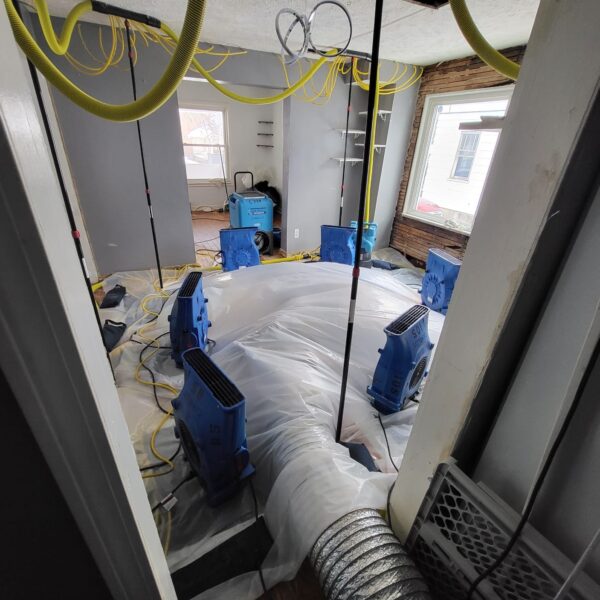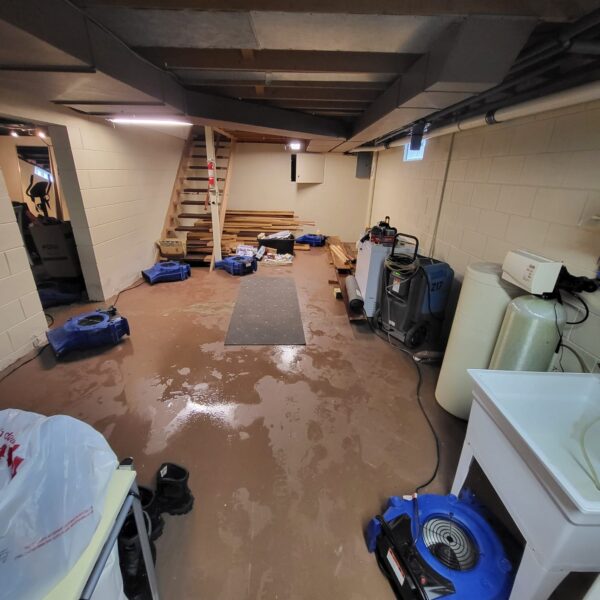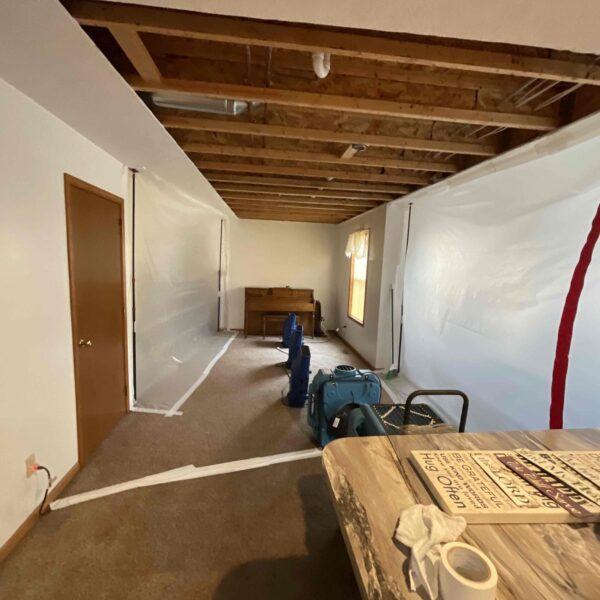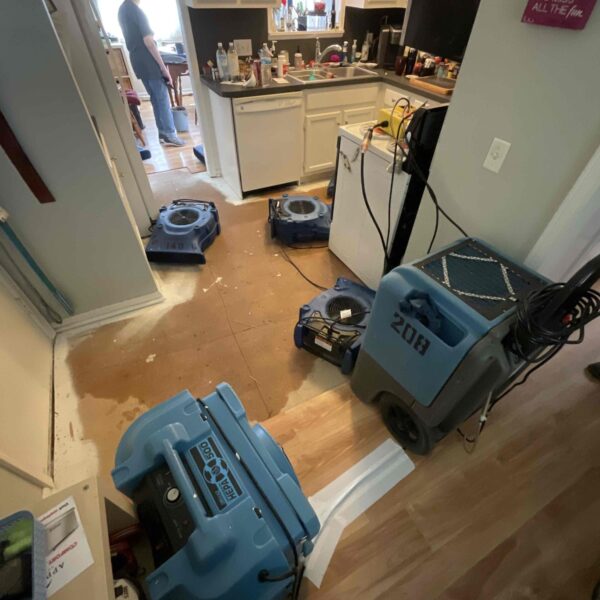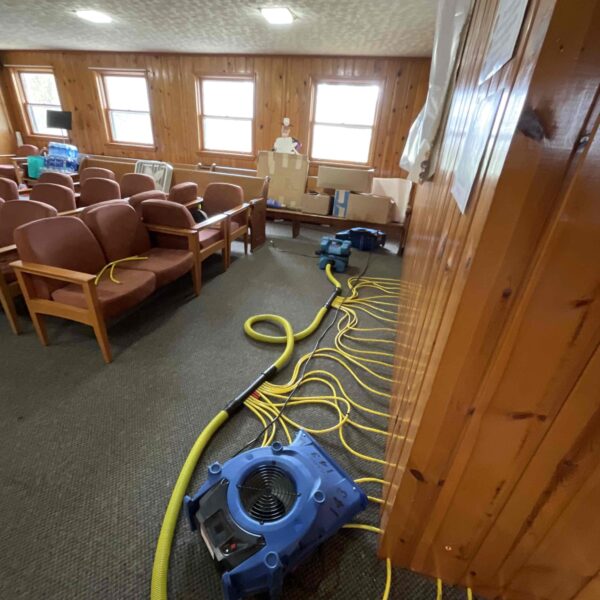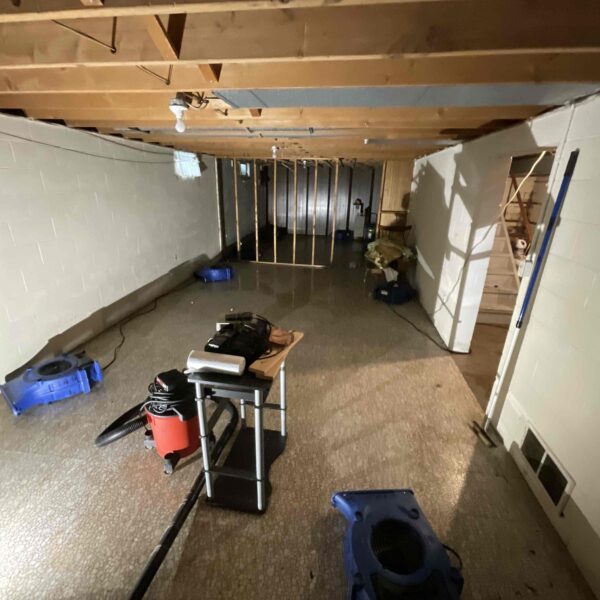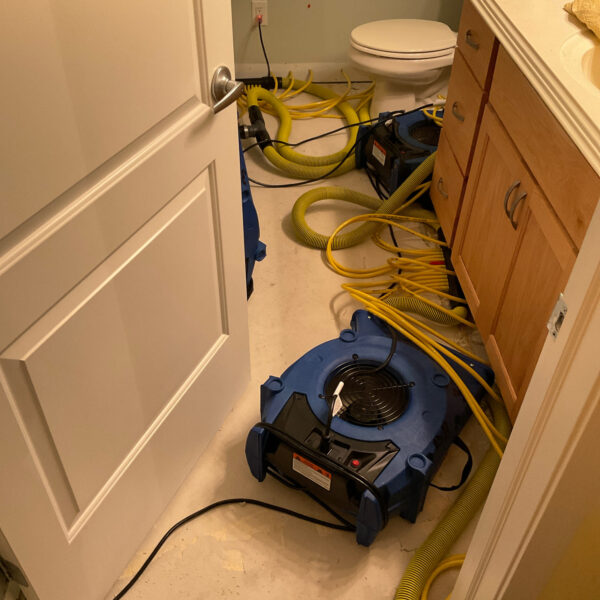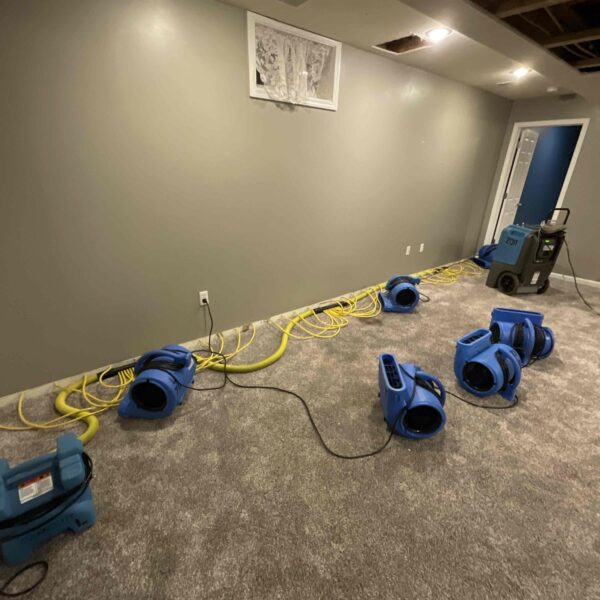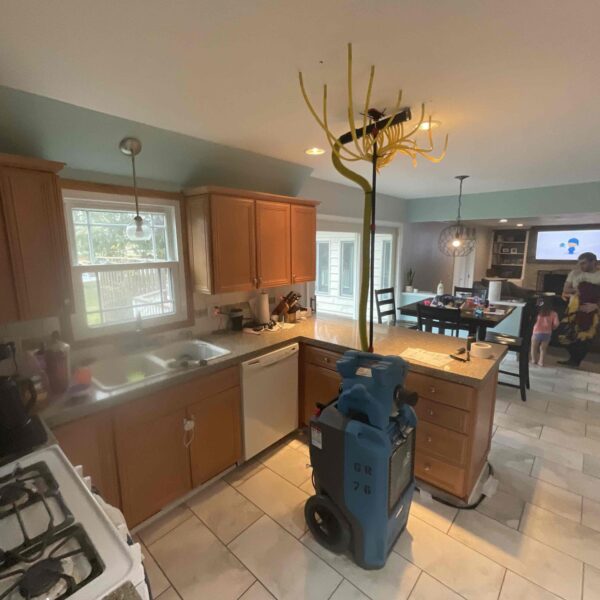
When flooding strikes your home or business, swift action is crucial to minimizing damage and preventing long-term issues such as mold growth, structural deterioration, and electrical hazards.
Camelot Emergency Water Removal provides professional flood damage remediation services throughout Michigan, including Ann Arbor, Grand Rapids, Lansing, and Kalamazoo. From small-scale flooding to whole-house water disasters, our trained technicians use industrial-grade drying equipment, dehumidifiers, and advanced moisture detection tools to restore your property quickly and safely.
We understand the emotional and financial toll that flooding can take on homeowners and business owners. That’s why we offer 24/7 emergency response services, detailed damage assessments, and clear communication throughout the entire process. Whether your property is affected by a burst pipe, overflowing appliance, sump pump overflow, or storm-related flooding, our team works to remove water, dry affected areas, and help restore your property to its pre-loss condition.
Your Local Flood Damage Remediation Company
Since 1993, Camelot Emergency Water Removal has helped Michigan homeowners and businesses recover from water damage emergencies. As a locally owned and operated company, we are proud to serve our neighbors with honest, high-quality restoration services.
Our certified technicians bring experience in flood damage remediation, sewage cleanup, structural drying, and mold prevention. We respond quickly, work directly with insurance companies when needed, and treat your property with care and respect.
Common Causes of Flooding in Homes and Businesses
Flooding can happen suddenly or gradually. While some floods are caused by weather, many come from inside the property. Common causes include:
1) Plumbing Failures and Pipe Bursts
Broken or leaking pipes can release large amounts of water quickly, saturating walls, flooring, insulation, and structural materials.
2) Improper Sealing Around Entry Points
Poorly sealed windows, doors, roof vents, and other openings can allow rainwater to enter during storms.
3) Household Appliance Malfunctions
Water heaters, washing machines, dishwashers, and refrigerators can fail and cause significant water damage.
4) Foundation Cracks and Leaks
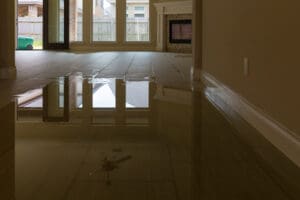
Cracks in the foundation can allow groundwater to enter during heavy rainfall, snowmelt, or poor drainage conditions.
5) Sump Pump Overflow or Failure
When a sump pump fails because of power loss, mechanical issues, or excess water volume, it can lead to basement flooding. Learn more about sump pump overflow restoration.
6) Backed-Up or Blocked Gutters
Clogged gutters and downspouts can cause rainwater to collect around the foundation and enter basements or crawl spaces.
7) Heavy Rainfall and Natural Disasters
Severe storms, flash floods, and rapid snowmelt can overwhelm drainage systems and cause water intrusion.
What to Do If a Flood Impacts Your Property
A flood can be overwhelming, but taking the right steps quickly can reduce damage and help the recovery process.
Confirm It Is Safe to Enter
Before entering the property, look for signs of structural damage, sagging ceilings, unstable floors, or electrical hazards.
Shut Off Utilities Immediately
If it is safe, turn off power, gas, and water at the main shutoff points. If you cannot access them safely, wait for professionals.
Take Photos of the Damage
Document damage to the structure and personal belongings before cleanup begins. This can help with insurance claims.
Contact Restoration Experts
Time is critical after flood damage. Contact a professional restoration company like Camelot Emergency Water Removal to begin water removal, drying, and remediation.
Give Us a Call at (833) 252-0488
Common Flooding Problems We Resolve
Flooding can affect the entire structure of a property, from the foundation to ceilings, walls, flooring, and contents. Our team handles a wide range of flood-related restoration needs.
Saturated Drywall and Insulation
When drywall and insulation absorb moisture, they can lose integrity and create mold risks. We identify affected materials and dry or remove them as needed.
Warped Flooring and Baseboards
Wood flooring, laminate, and baseboards can buckle or swell after water exposure. We dry affected areas and help stabilize the structure before repairs.
Ceiling Leaks and Sagging
Water from roof leaks, storms, or burst pipes can cause ceiling stains, sagging, or collapse risks. If you are dealing with a wet ceiling, quick action helps prevent further structural damage.
Contaminated Carpeting
Flooded carpet can trap dirt, bacteria, and mold spores. We provide extraction and determine whether carpeting or padding can be saved.
Mold Growth and Odors
Mold can begin developing within 24 to 48 hours of water exposure. Fast drying and moisture control help reduce mold risks and musty odors.
Appliance Damage and Electrical Risks
Flooding around appliances, outlets, and electrical systems can create safety hazards. Our team helps identify affected areas and coordinate proper cleanup.
Our Flood Removal and Remediation Process
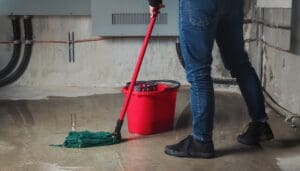
Flood recovery requires more than a mop and fan. Our team follows a structured remediation process to remove water, dry the structure, sanitize affected areas, and reduce long-term damage.
Step 1: Evaluate the Extent of the Damage
We inspect the property, identify the type of water involved, determine how far moisture has spread, and assess affected materials.
Step 2: Extract All Standing Water
We use professional-grade pumps, vacuums, and water extraction equipment to remove standing water from floors, carpets, basements, and affected areas.
Step 3: Dehumidify and Dry the Structure
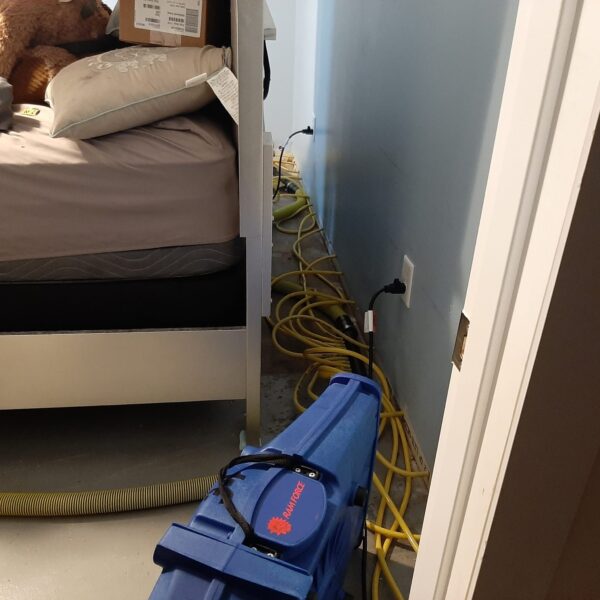
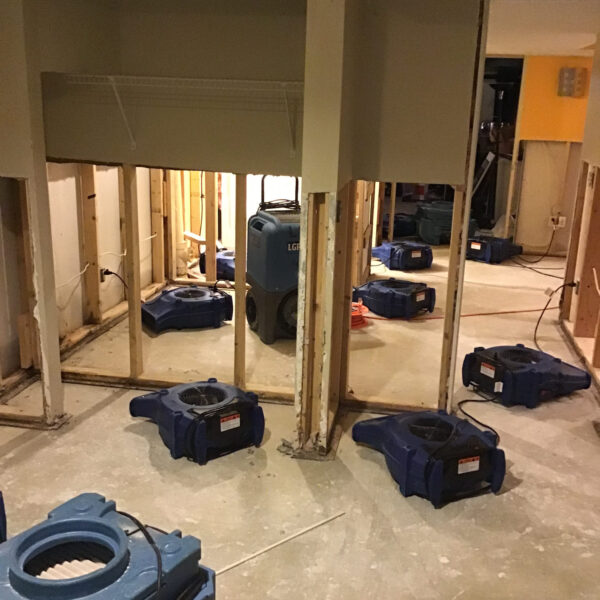
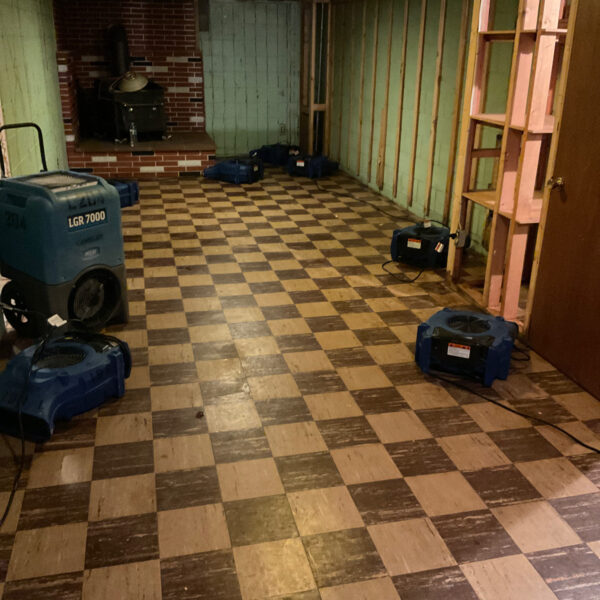
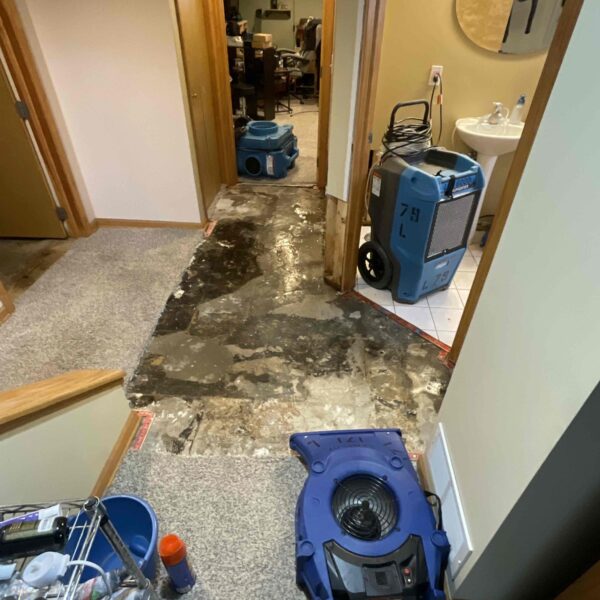
After visible water is removed, we use air movers and dehumidifiers to dry hidden moisture inside walls, floors, and ceilings. This helps prevent microbial growth, mold development, and structural warping.
Step 4: Sanitize and Remove Debris
Flooding can leave behind dirt, contaminants, and damaged materials. We clean and disinfect affected surfaces and remove unsalvageable debris.
Step 5: Check for Lingering Moisture and Damage
We use moisture detection tools to verify that affected areas are properly dried. If moisture remains, we address it before it causes further damage.
Give Us a Call at (833) 252-0488 or Contact Us Now
Water Removal and Drying Services for Homes and Businesses
Whether it is a flooded basement in a family home or a burst pipe in a commercial facility, fast action is essential. Our water removal and drying services are designed for both residential and commercial properties.
Homeowners can rely on our team to restore safe living conditions, while business owners can count on efficient service to help reduce downtime and property damage.
Why You Need Professional Flood Damage Remediation Services
Flooding is more than a surface-level problem. Without professional remediation, moisture can remain inside walls, flooring, insulation, and structural materials, leading to mold growth, odors, structural issues, and costly repairs.
By calling Camelot Emergency Water Removal, you get access to experienced technicians, industry-grade equipment, and proven drying techniques that DIY cleanup cannot match.
Why Choose Camelot for Flood Remediation
- Fully insured and licensed provider
- Family-owned since 1993
- IICRC-certified technicians
- 24/7 emergency services
- Free, no-obligation estimates
- Affordable rates
Flood Damage Remediation FAQ
Does insurance cover flood damage?
It depends on your policy. Standard homeowners insurance often does not cover flooding from natural disasters. Damage from sudden events like a burst pipe may be covered, but a separate flood insurance policy is usually needed for natural flood events.
How soon should I start flood damage remediation?
Immediately. Fast remediation helps reduce structural damage, mold growth, odors, and restoration costs. Water can begin causing secondary damage within 24 to 48 hours.
What is considered flood damage?
Flood damage includes water damage caused by heavy rainfall, groundwater intrusion, rising water, storm events, burst pipes, appliance failures, and other events that result in significant water accumulation.
How can I help prevent flood damage?
You can reduce flood risk by keeping gutters clear, maintaining sump pumps, sealing foundation cracks, improving drainage, installing backflow valves, and keeping windows and doors properly sealed.
Can I handle flood cleanup myself?
Small amounts of clean water may be manageable, but major flooding requires professional equipment and drying methods. DIY cleanup often misses hidden moisture, which can lead to mold growth and structural damage.
Contact Camelot Emergency Water Removal for Flood Damage Remediation
When flood damage affects your home or business, you need a team that responds quickly and works efficiently. Camelot Emergency Water Removal provides professional flood remediation services throughout Michigan.
Our team is available 24/7 to handle water emergencies using advanced equipment and proven restoration methods.
Give Us a Call at (833) 252-0488 or Contact Us Now